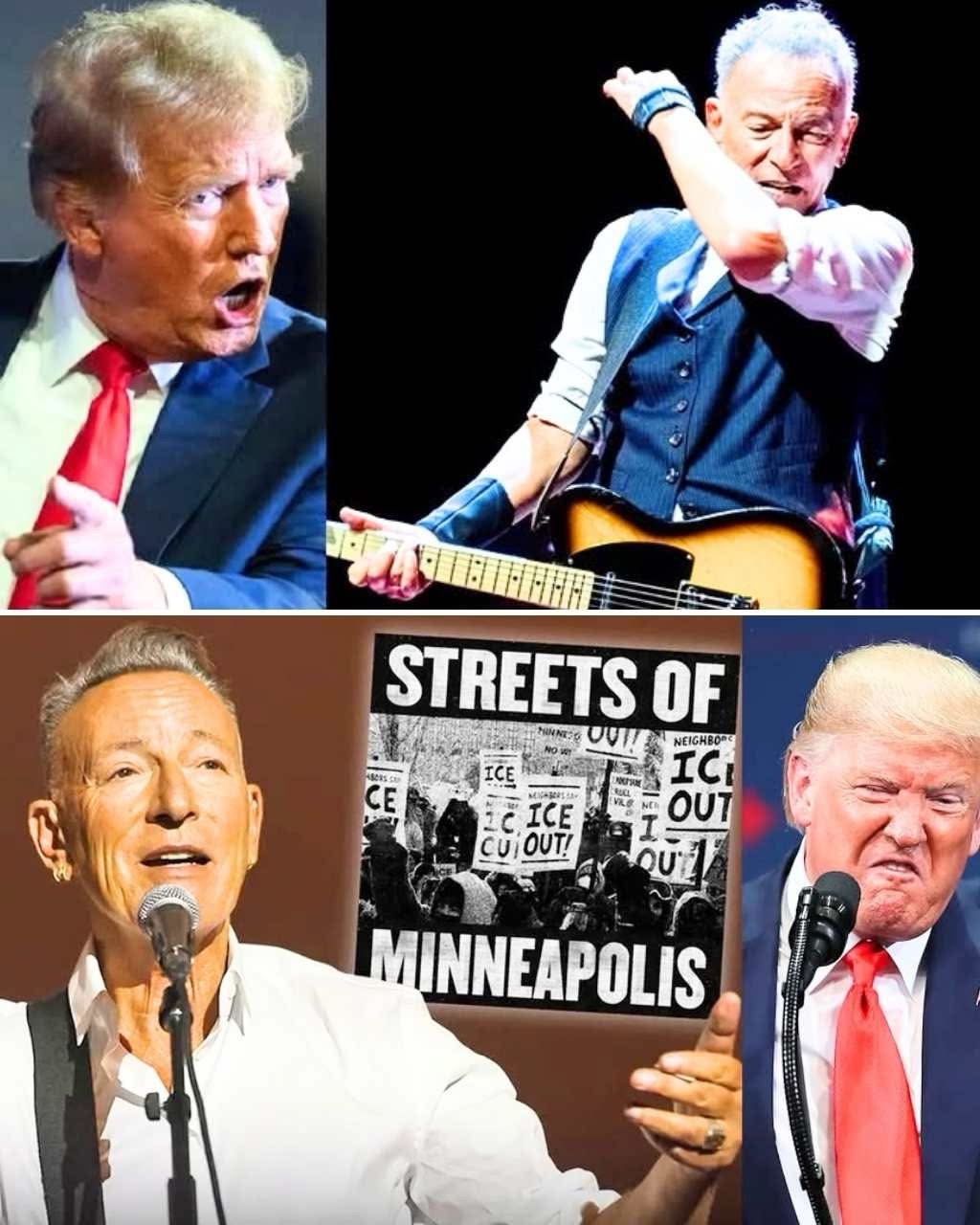
The administration wasted no time firing back. In a blunt and unusually aggressive statement, officials dismissed Springsteen’s anthem as “random,” accusing it of spreading “irrelevant opinions and inaccurate information.” The White House doubled down on its immigration stance, framing recent ICE raids as necessary measures to remove what it called “dangerous criminal illegal aliens,” while accusing Democrats of shielding lawlessness through sanctuary city policies.
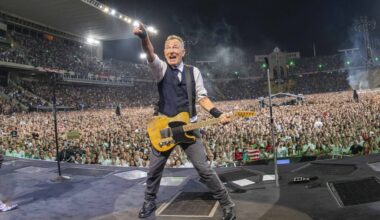
But for Springsteen — long known as America’s musical conscience — this was never about party politics. “Streets of Minneapolis” is a deeply emotional tribute, centered on the stories of Renee Good and Alex Pretti, whose deaths during recent ICE operations shook local communities. Accompanied by stark visuals and stripped-down production, the song channels grief, anger, and moral urgency — themes that have defined Springsteen’s protest work for decades.
The reaction was immediate and explosive. Social media platforms lit up as fans, critics, activists, and commentators clashed over the song’s message. Supporters praised Springsteen for giving voice to the voiceless, calling the track a necessary act of resistance in an era of escalating federal force. Critics, meanwhile, accused him of politicizing tragedy and distorting facts — only amplifying the song’s reach.

What’s undeniable is the scale of the impact. Millions have watched, shared, and debated the video, turning a music release into a full-blown cultural event. Radio silence was never an option. Whether embraced or attacked, “Streets of Minneapolis” forced a conversation many would rather avoid — about who gets protected, who gets punished, and who gets to tell America’s story.
This moment also highlights the enduring power of artists in political discourse. In an age dominated by soundbites and outrage cycles, Springsteen’s work cuts deeper, reminding listeners that music can still unsettle authority and challenge official narratives. The backlash itself became proof of that power.
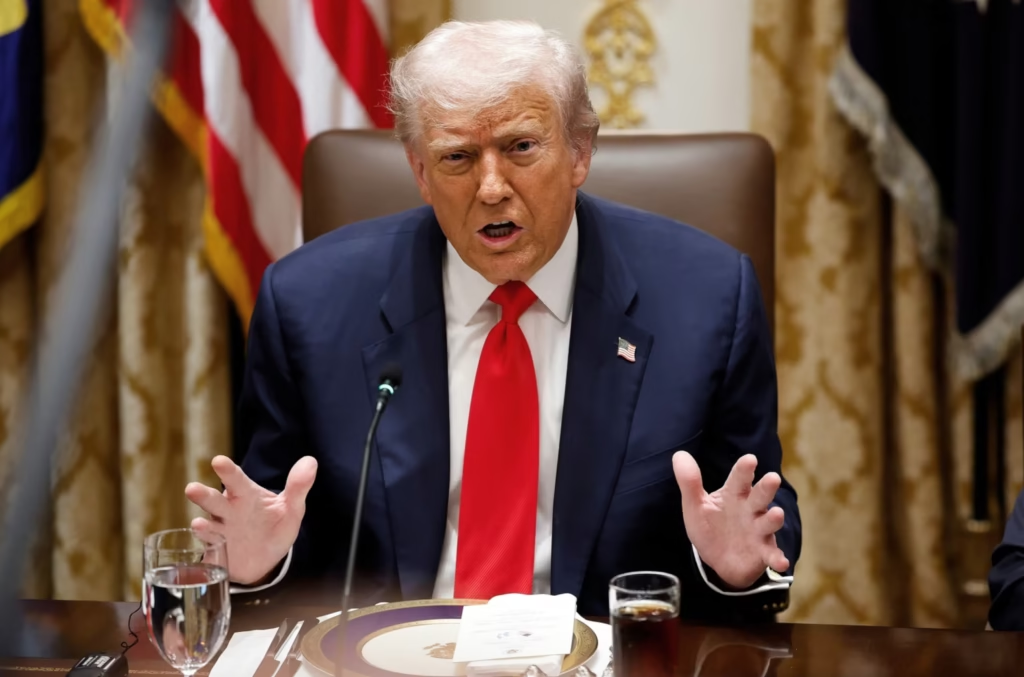
As the culture war intensifies, the song now exists beyond melody or lyrics. It’s a symbol — of protest, of division, of an America struggling with its identity. The White House may dismiss it, but the public response suggests otherwise.
One thing is clear: when Bruce Springsteen speaks, the nation listens — and reacts. And as “Streets of Minneapolis” continues to ripple through headlines and timelines, the question isn’t whether the song matters, but how long its echoes will shape the fight over justice, immigration, and power in America.