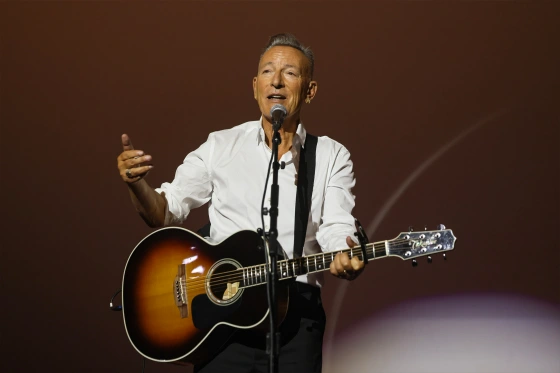
In a powerful collision of music and moment, Bruce Springsteen has released what many are calling one of the most significant protest songs of the decade. His new single, “Streets of Minneapolis,” has officially hit No. 1 on the Worldwide iTunes Song Chart as of January 30, 2026, topping charts in 19 countries following its release — a feat underscoring both its artistic impact and cultural resonance.
The song’s lyric video is also trending No. 1 on YouTube in the United States, amassing over 3 million views in its first 24 hours online, a remarkable reaction for a track that was written, recorded, and released within just days of its inception.
🎶 A Song Born of Tragedy and Protest
“Streets of Minneapolis” was released on January 28, 2026, written and recorded by Springsteen in direct response to events unfolding in Minneapolis that month. The song poignantly addresses the fatal shootings of Renée Good and Alex Pretti, incidents that sparked widespread national debate and protest over the actions of ICE (U.S. Immigration and Customs Enforcement) and federal law enforcement during an intensified operation in the city.
Rather than vague symbolism, the lyrics are strikingly direct, naming those lost and condemning the political forces behind the crackdown. It calls for remembrance, justice, and solidarity — themes resonant in protest music across generations.
📣 From Studio to Streets: The First Live Performance
Springsteen didn’t just release the song — he brought it straight to the community it honors. On January 30, 2026, he made a surprise appearance at a benefit concert in Minneapolis, organized by guitarist Tom Morello and featuring performances to support local families affected by the turmoil. Springsteen debuted Streets of Minneapolis live in front of a roaring crowd, with many joining in chants of “ICE out now!” during the performance.
🧠 Why the Song Matters
Springsteen’s fiery critique breaks from more veiled protest tradition. He explicitly targets immigration enforcement policies and political leaders, positioning the song as much a documentary piece as an anthem. Music critics and fans alike are noting its urgency and directness — a reminder that art can be both deeply personal and powerfully political.
The song connects with Springsteen’s long legacy of socially conscious music, echoing past protest works like Born in the U.S.A. while grounding itself in the urgent issues of 2026.
🌍 A Global Response
What began as a response to local tragedy has resonated on a global scale. Fans across continents have propelled Streets of Minneapolis to the top of international charts — a testament to the universal power of music that speaks to justice, grief, and collective action.
As the world listens, the song continues to spark conversation — not just about charts and views, but about the real human stories that inspired it.