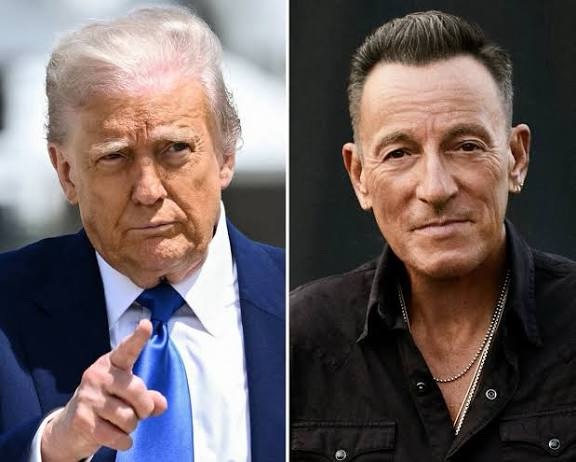
In a moment that feels unprecedented even in America’s long history of protest music, Bruce Springsteen — legendary rock poet of the working class — has dropped a blistering new song that has sent shock waves through the political landscape.
The track, “Streets of Minneapolis,” arrived amid a national crisis in Minneapolis, where two U.S. citizens were fatally shot by federal immigration enforcement officers during controversial operations by ICE and Border Patrol. The song names names, challenges official narratives, and has triggered a furious response from both critics and supporters — forcing the nation to wrestle with questions of power, truth, and justice.
A City on Edge — And Two Names Seared Into America’s Conscience
The backdrop for Springsteen’s anthem is a bitter national drama playing out on the streets of Minneapolis:
On January 7, 2026, ICE agent Jonathan Ross shot and killed Renée Nicole Good, a 37-year-old Minneapolis mother of three, during a federal immigration operation. Video reviews and witness accounts raised sharp questions about the circumstances of her death, with critics disputing official claims of self-defense. Just weeks later, on January 24, federal agents fatally shot Alex Pretti, a 37-year-old ICU nurse for the Minneapolis VA Health Care System who had no significant criminal record. Video evidence reviewed by independent outlets shows Pretti holding only a phone while attempting to help a fellow civilian during the confrontation. His death was later officially ruled a homicide by the county medical examiner.
These deaths — both involving U.S. citizens — sparked widespread protests, demands for accountability, and a surge of anti-ICE activism not seen in years.
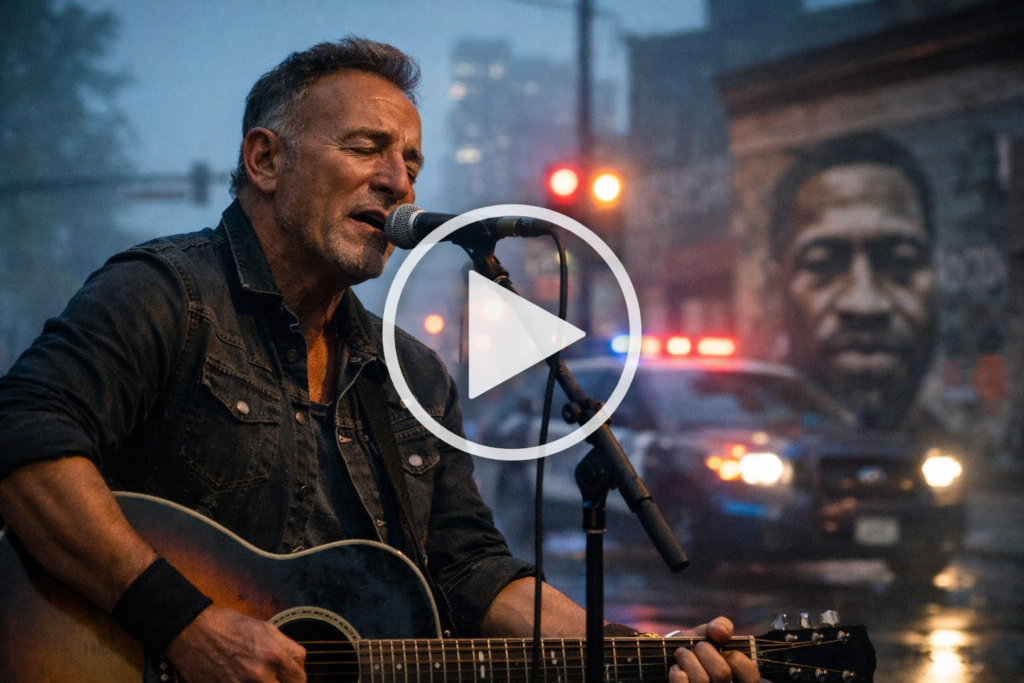
“Streets of Minneapolis” — A Defiant Musical Statement
In response to this mounting turmoil, Springsteen released “Streets of Minneapolis,” a stark, haunting protest song that does more than mourn — it accuses.
The lyrics, released alongside the song, paint an unflinching portrait of what Springsteen describes as a federal enforcement operation that has “bled onto our streets”:
“King Trump’s private army from the DHS / Came to Minneapolis to enforce the law… / And two dead left to die on snow-filled streets / Alex Pretti and Renee Good.”
The song goes beyond elegy — it directly calls out federal leaders, challenges the official narrative about the shootings, and echoes calls for justice that have already galvanized protesters in Minneapolis and cities across the United States.
Political Fallout: Backlash, Outrage, and a Nation Divided
The reaction to Springsteen’s song has been immediate and intense.
From the White House:
Officials dismissed the track as “random” and “irrelevant,” insisting federal agents were acting lawfully to enforce immigration laws. The White House maintained its support for the officers involved and rejected claims that the deaths represent systemic abuse.
From critics and activists:
The song has been lauded by fans and advocates as one of Springsteen’s most urgent and fearless works in decades — a raw expression of grief and defiance. Social media lit up with the song’s release, accretion into protest playlists, and calls for accountability.
Across the country, public protests have continued — with rallies and demonstrations not just in Minneapolis, but in cities from San Francisco to New York and Los Angeles — often featuring chants demanding accountability for Pretti and Good.
In Congress, family members of Renée Good testified before lawmakers, decrying the use of force and calling for federal reforms — further underscoring how deeply this issue has penetrated the national conversation.
The Power of a Song in a Moment of Crisis
Like Dylan’s “The Times They Are a-Changin’” or Marvin Gaye’s “What’s Going On,” Springsteen’s “Streets of Minneapolis” — whether praised as courageous truth-telling or derided as incendiary provocation — has tapped into an explosive moment in American life.
For some, it is a rallying cry against a federal operation they see as violent and unchecked. For others, it is an unwelcome politicization of tragic events.
What is undeniable, however, is this: in a nation already roiled by protest and political division, Springsteen’s voice has entered the fray — and the debate over truth, power, and justice is now unfolding not just in the streets, but through the chords and verses of a new protest anthem.