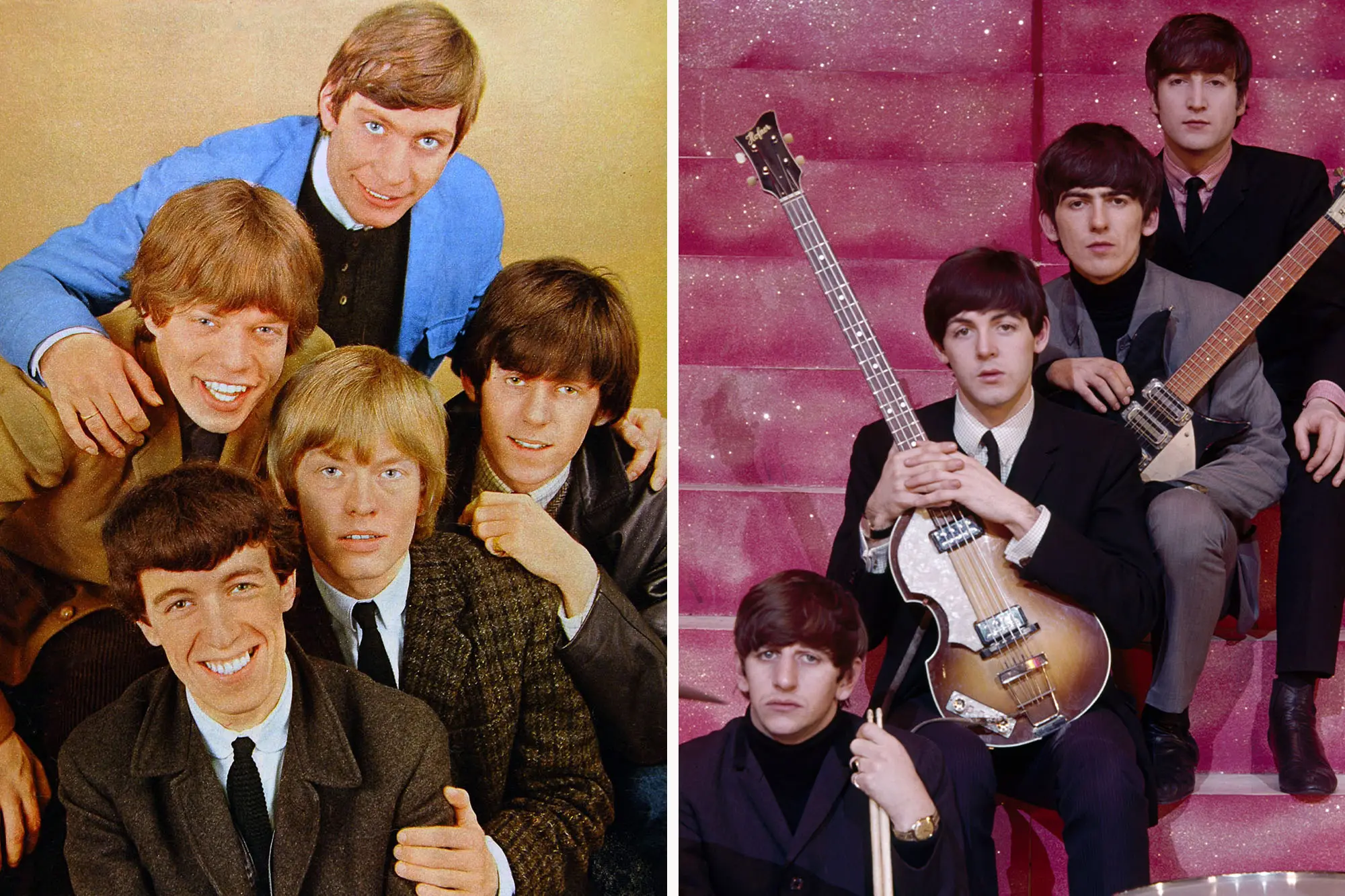
Few debates in music history have endured as powerfully as The Beatles vs The Rolling Stones. It’s more than a comparison of bands—it’s a clash of philosophies, personalities, and visions that helped shape what rock music became and why it still matters today.
Two Paths, One Explosion
Both bands emerged from 1960s Britain, inspired by American blues and rock ’n’ roll. But almost immediately, they took different paths. The Beatles leaned toward melody, harmony, and studio innovation—crafting songs that felt universal and timeless. The Rolling Stones leaned into grit and attitude—embracing raw blues roots and a rebellious edge that felt dangerous and thrilling.
Innovation vs Attitude
The Beatles were musical explorers. They transformed the recording studio into an instrument, pushing boundaries with experimentation, orchestration, and songwriting depth. Albums became artistic statements, not just collections of singles.
The Rolling Stones, meanwhile, made rock feel alive onstage. Their music pulsed with swagger and sexuality, grounded in blues riffs and relentless rhythm. Where The Beatles refined, The Stones unleashed.
Cultural Impact Beyond Music
This rivalry wasn’t just about sound—it was about identity. Fans didn’t simply listen; they chose sides. The Beatles symbolized evolution, optimism, and creative brilliance. The Rolling Stones represented defiance, freedom, and rock ’n’ roll’s wild heart. Together, they defined two sides of the same cultural revolution.
Longevity vs Legacy
The Beatles burned bright and fast, leaving behind a flawless, compact legacy that still influences every genre today. The Rolling Stones kept rolling—touring, recording, and proving that rock could age without losing its fire. One band became myth. The other became endurance.
Why the Debate Never Ends
There’s no clear winner—and that’s exactly why this rivalry lives on. Each band excelled at something the other didn’t try to be. Rock music needed both: the visionaries and the rebels, the architects and the outlaws.
In the end, the greatest truth may be this: rock history wouldn’t be complete without either of them. And every time the debate starts again, it proves one thing—great music never stops demanding to be talked about.