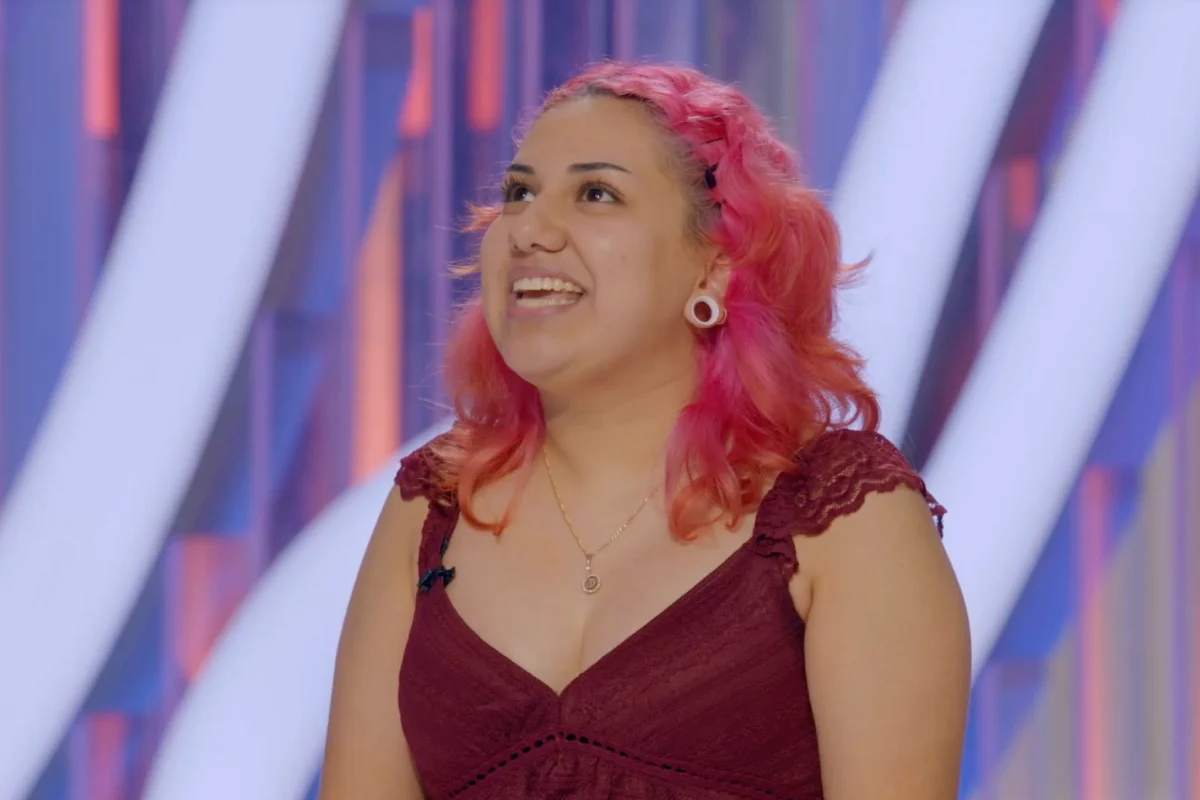
When Lanii, a 19-year-old high school student from Phoenix, stepped into the American Idol audition room, she wasn’t chasing a moment of fame. She was carrying hope, fear, and love for her father, who was fighting for his life in the ICU.
Before she sang a single note, Lanii shared her story with the judges. Her voice wavered as she explained that her dad’s condition had weighed heavily on her heart, and that music had become her way of coping with the uncertainty. Auditioning for American Idol wasn’t just a dream—it was an act of faith, a way to honor him during the hardest moment her family had ever faced.
For her song choice, Lanii chose Demi Lovato’s “Tell Me You Love Me,” a track built on vulnerability and emotional honesty. From the opening line, it was clear this wasn’t just a cover. Every lyric felt personal, every phrase shaped by the emotion she was carrying into the room.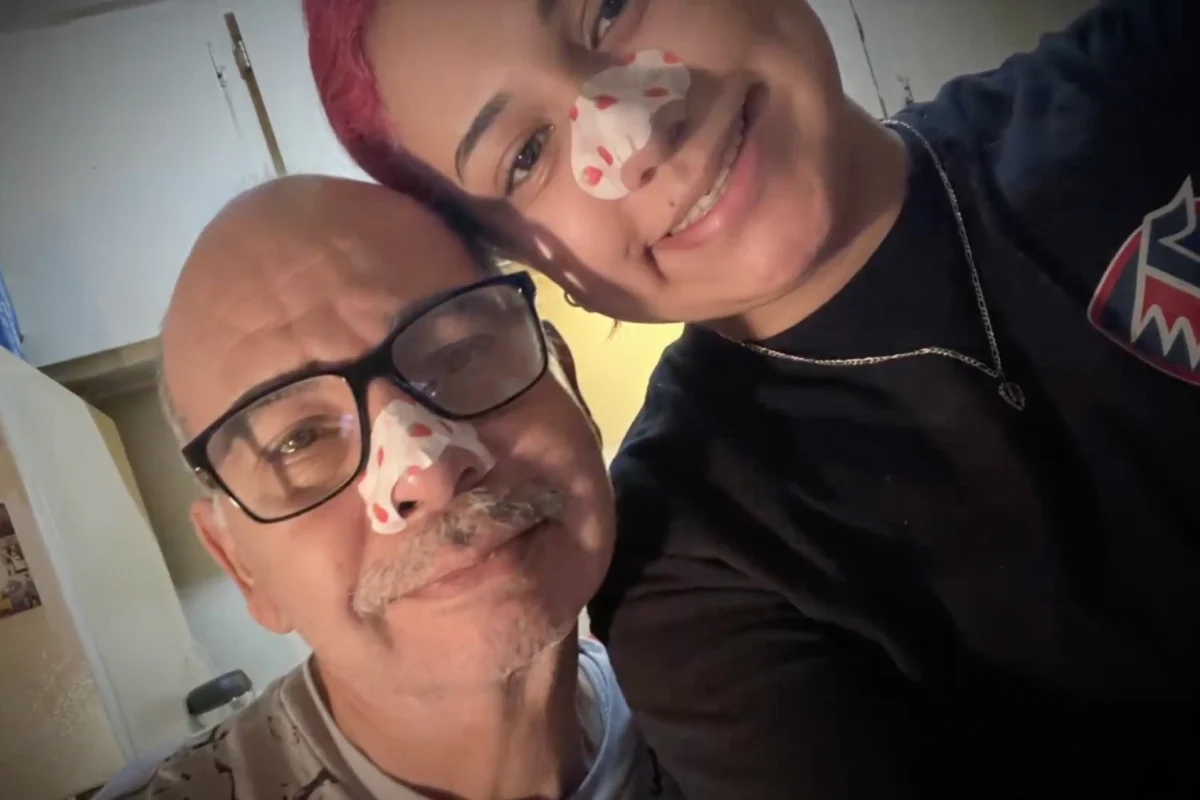
The audition space grew quiet as Lanii sang. Her voice, tender yet powerful, held the judges’ attention completely. She didn’t over-sing or reach for theatrics—she let the emotion guide her delivery, allowing the song’s meaning to shine through.
As the performance went on, the impact was impossible to ignore. Lionel Richie appeared visibly shaken, his expression shifting as the weight of the moment settled in. By the time Lanii finished, the room felt still, heavy with emotion.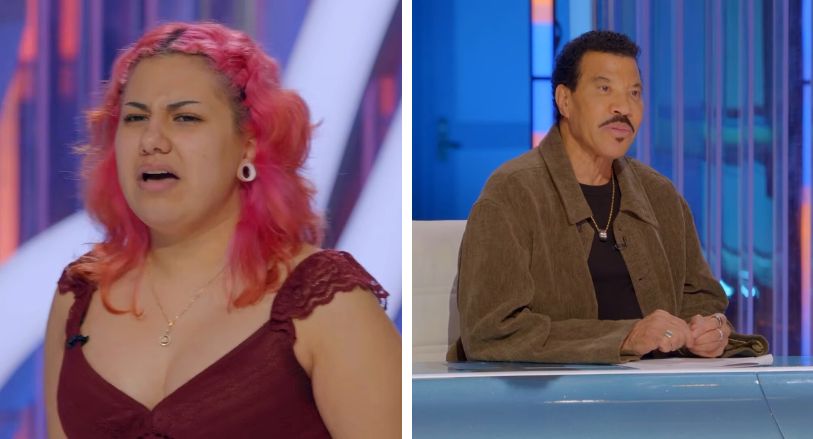
Lionel struggled to hold back tears as he spoke.
“I really want to see you go forward,” he told her, clearly moved not just by her voice, but by her heart.
The judges praised her bravery, her sincerity, and the way she connected emotionally with the song. It wasn’t just a strong audition—it was a reminder of why American Idol continues to resonate after so many seasons: real people, real stories, and moments that can’t be manufactured.
For Lanii, the audition became more than a performance. It was a message to her father, a release for herself, and a moment of connection that reached far beyond the room.
In a season filled with talented singers, her audition stood out not because it was perfect—but because it was real. And sometimes, that’s what leaves the deepest mark.