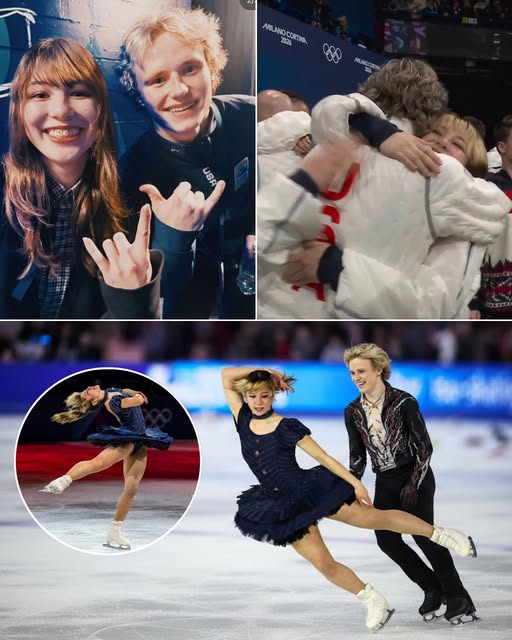
When Alysa Liu and Ilia Malinin stepped onto the ice for the exhibition gala at the 2026 Winter Olympics, it was meant to be simple — celebratory, even playful. A victory lap. A final bow.
Instead, it became the emotional exhale of an Olympic Games defined by soaring comebacks and stunning collapses.
A Comeback for the Ages
In Milan, Liu completed one of the most remarkable returns the sport has seen. After walking away from figure skating at just 16 following the Beijing Games, citing burnout, she spent two years rebuilding — physically stronger, creatively renewed, mentally ready.
The result? Gold.
Her free skate was electric: seven clean triple jumps, effortless flow, and the kind of calm command that only comes from rediscovering joy. When her final note hit, she pointed skyward as the sold-out arena rose in thunderous applause. It wasn’t just a win. It was vindication.
Behind her, Japan’s Kaori Sakamoto claimed silver in her final Olympic appearance, while rising stars Ami Nakai and Mone Chiba signaled a powerful future for the sport.
The Night Everything Shifted
For Malinin, the story unfolded differently.
The two-time world champion entered the free skate with a commanding lead. Fans expected a coronation. Instead, the moment unraveled.
His planned quadruple Axel — a jump only he has ever landed in competition — opened as a single. Two falls followed. The scoreboard told the story: from first to eighth.
“I blew it,” he admitted afterward.
Kazakhstan’s Mikhail Shaidorov seized the opportunity, capturing an unexpected gold in a result that stunned the arena.
Malinin later cited mental fatigue and reflected on encouragement he’d received from gymnastics icon Simone Biles — no stranger to public adversity herself. Like Biles, who battled the “twisties” before returning to dominance, Malinin now faces his own redemption arc heading toward the next Winter Games.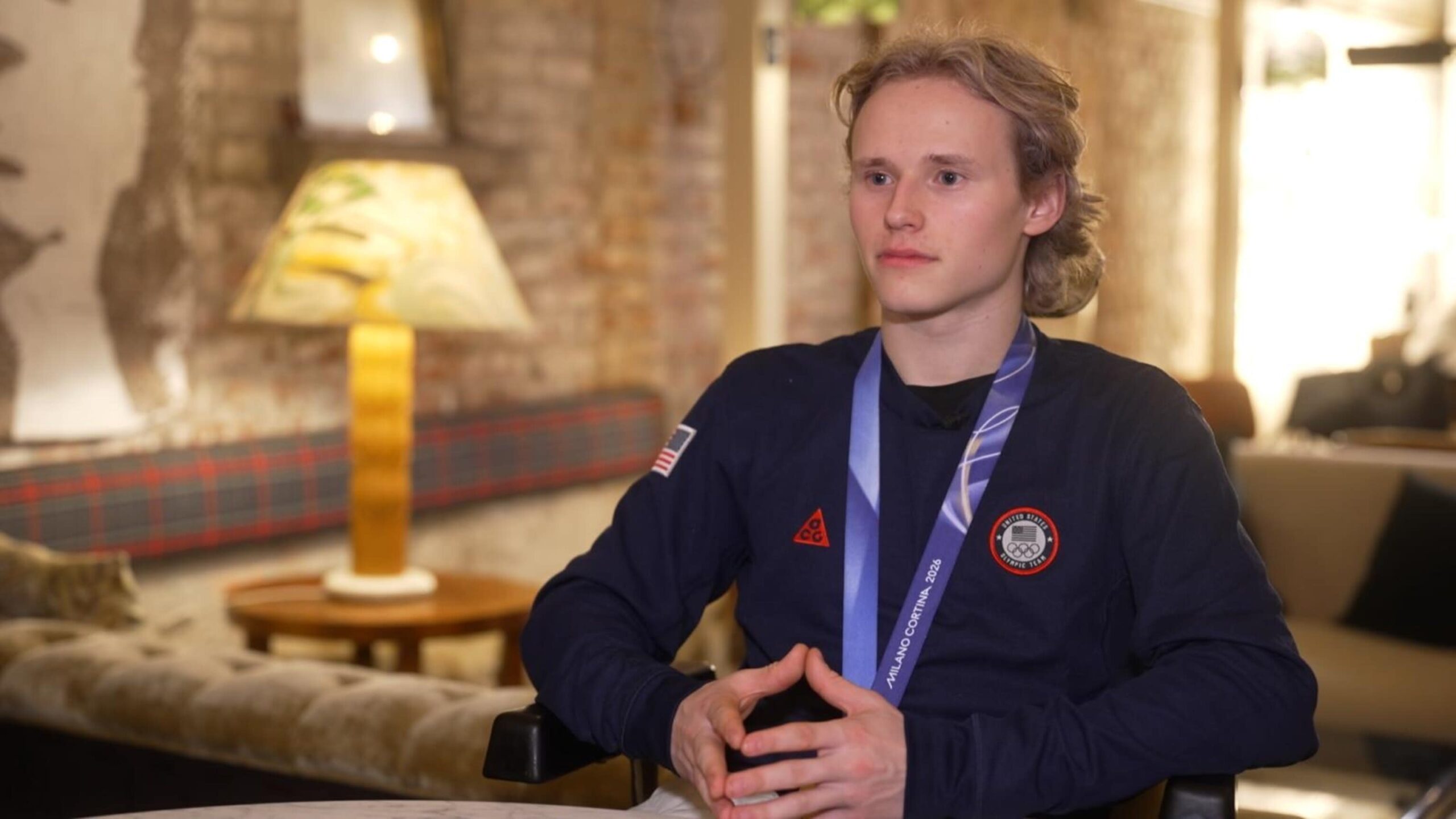
More Than Medals
If the women’s and men’s events delivered drama, the rest of the competition followed suit.
In ice dance, French duo Laurence Fournier Beaudry and Guillaume Cizeron stunned American veterans Madison Chock and Evan Bates for gold.
In pairs, Japan’s Riku Miura and Ryuichi Kihara delivered a career-defining, Gladiator-themed free skate to earn their nation’s first Olympic title in the discipline.
And fittingly, the Games both opened and closed with Liu and Malinin at the heart of it all — helping the United States secure a second straight team gold, then sharing the spotlight one last time at the gala.
Malinin’s closing performance — punctuated by his signature backflip — brought the crowd to its feet. It wasn’t just applause for difficulty. It felt like recognition. Of courage. Of pressure. Of everything he had carried.
Afterward, he posted:
“I feel like this gala has been so helpful to overcome the stress of everything that happened to me over the last week. Glad I am able to express myself in such a poetic way.”
Two different journeys. One unforgettable Olympics.
And in that final gala moment, when Liu and Malinin skated under the same lights, it wasn’t about gold or heartbreak anymore.
It was about resilience — and the thin, breathtaking edge between triumph and collapse that makes Olympic sport impossible to look away from.