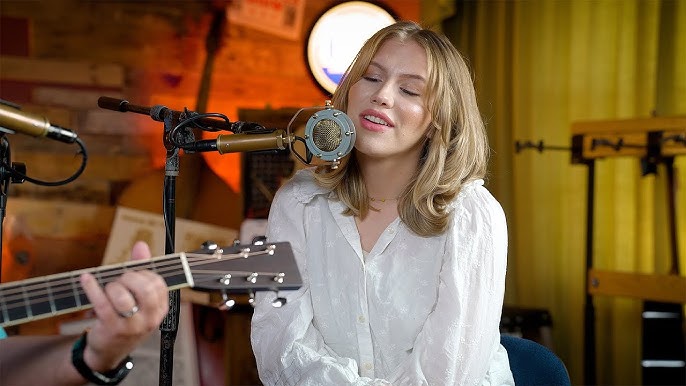
Some songs don’t just belong to an artist — they belong to a moment in their life. And for Lee Ann Womack, hearing 25-year-old mother Hannah Harper sing Never Again, Again was more than a performance. It was a return to a chapter she had once lived quietly, tenderly, and almost entirely alone.
Originally released in 1997, Never Again, Again was written by Barbie Isham and became one of Womack’s earliest defining recordings. At the time, Womack herself was a young mother, navigating the emotional contradictions of love, responsibility, exhaustion, and hope. The song captured those fragile feelings — the promises we make to ourselves, the strength we search for, and the quiet resilience that motherhood often demands.
But nothing could have prepared her for what it would feel like decades later to hear someone else breathe new life into those same words.
When Hannah Harper began to sing, it wasn’t just technically accurate — it was emotionally precise. Every note carried the same vulnerability. Every pause held the same weight. It echoed, as Womack later described, “lick for lick,” just as she herself had once practiced it in private moments, standing alone in her bathroom while her child slept nearby.
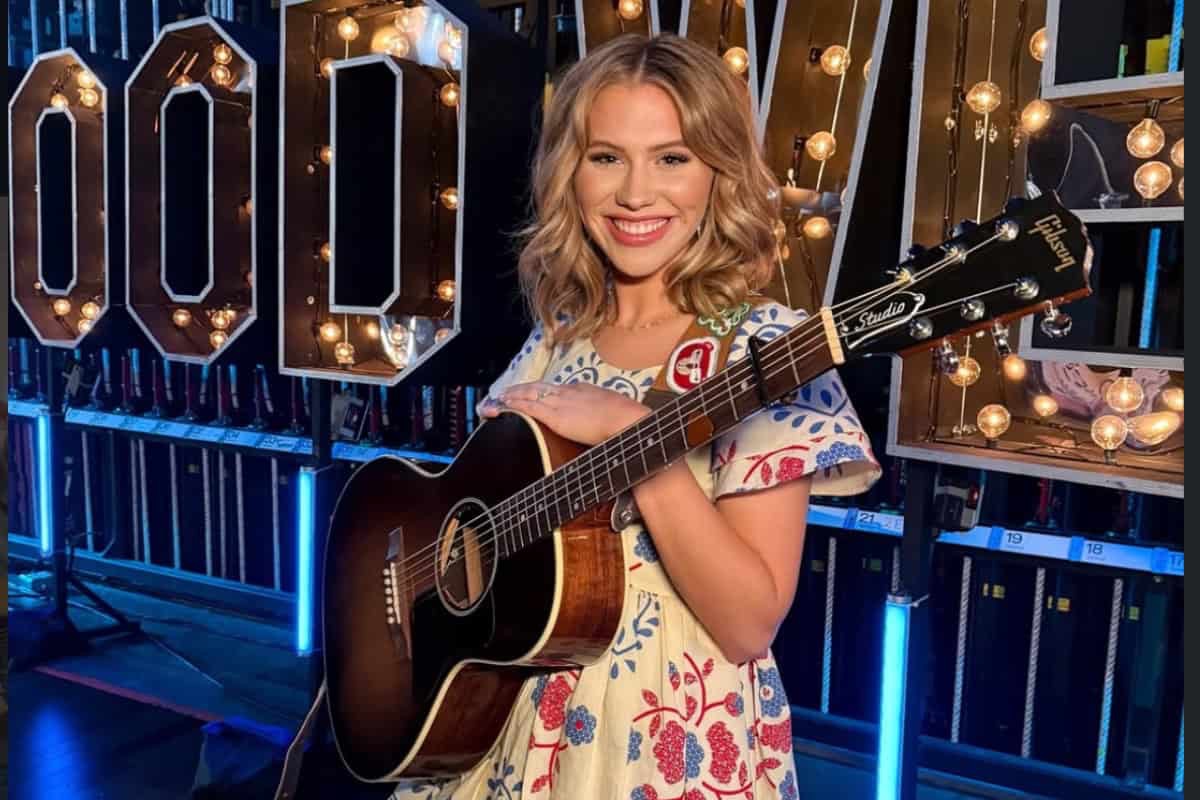
In that instant, Harper wasn’t just covering a song. She was stepping into a story.
What made the moment especially powerful was the shared thread between the two women. Harper, like Womack once was, is a young mother herself. She understands the quiet sacrifices, the invisible strength, and the emotional depth that can’t be taught — only lived. That authenticity gave her performance a rare honesty that reached far beyond technique.
For Womack, it was a reminder of how music preserves pieces of who we were. Songs become emotional time capsules, holding the fears, hopes, and strength of the people who first sang them. Hearing Harper carry that legacy forward was not just moving — it was deeply affirming.
It proved something timeless about great music: it doesn’t stay frozen in the past. It grows. It finds new voices. It finds new meaning.
And in Hannah Harper’s voice, Lee Ann Womack didn’t just hear her own song again.
She heard her younger self.