
American Idol contestant Keyla Richardson has become the focus of a growing online conversation, as fans continue to debate the show’s editing choices and what viewers see during performances.
The discussion began when some viewers noticed repeated shots of Richardson’s son appearing throughout key moments on stage. For some, the frequency of these cutaways stood out—especially when compared to the limited screen time given to recently eliminated contestants like Julian and Jake. This observation quickly sparked speculation and fueled a wider debate across social media.
Reactions from fans have been sharply divided. A portion of the audience feels that the focus on her son is distracting and potentially unfair, arguing that it shifts attention away from the competition itself. Others, however, see it differently, viewing these moments as genuine glimpses into Richardson’s personal life—an emotional connection that adds depth to her story as a contestant.

The situation highlights a broader conversation about reality television and the role of storytelling. Shows like American Idol often balance performances with personal narratives, aiming to create a more engaging and relatable viewing experience. In this case, what some interpret as overexposure, others interpret as meaningful storytelling.
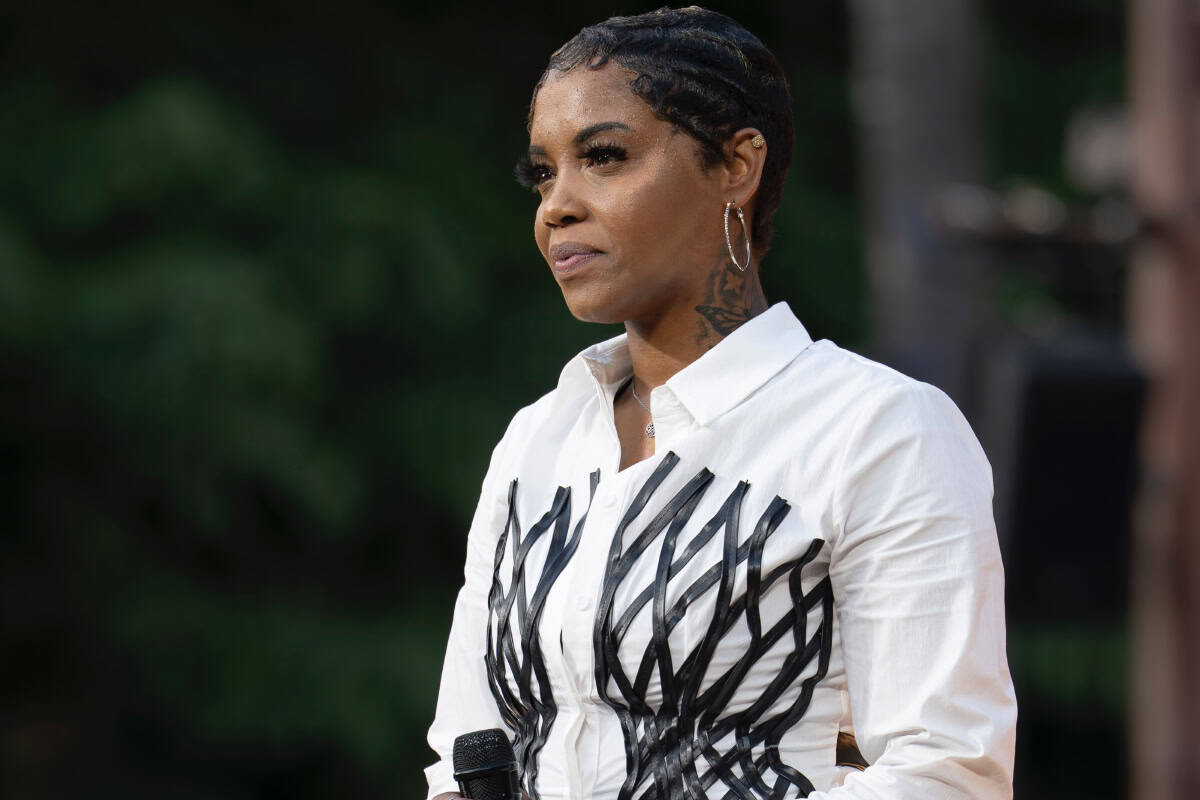
Despite the differing opinions, one thing is clear: the conversation surrounding Richardson is not slowing down. As viewers continue to watch closely, it’s evident that the spotlight isn’t only on the performances—but also on the moments that surround them.
Whether seen as a production choice or a heartfelt inclusion, the debate underscores how even small details can shape audience perception—and keep fans talking long after the music stops.