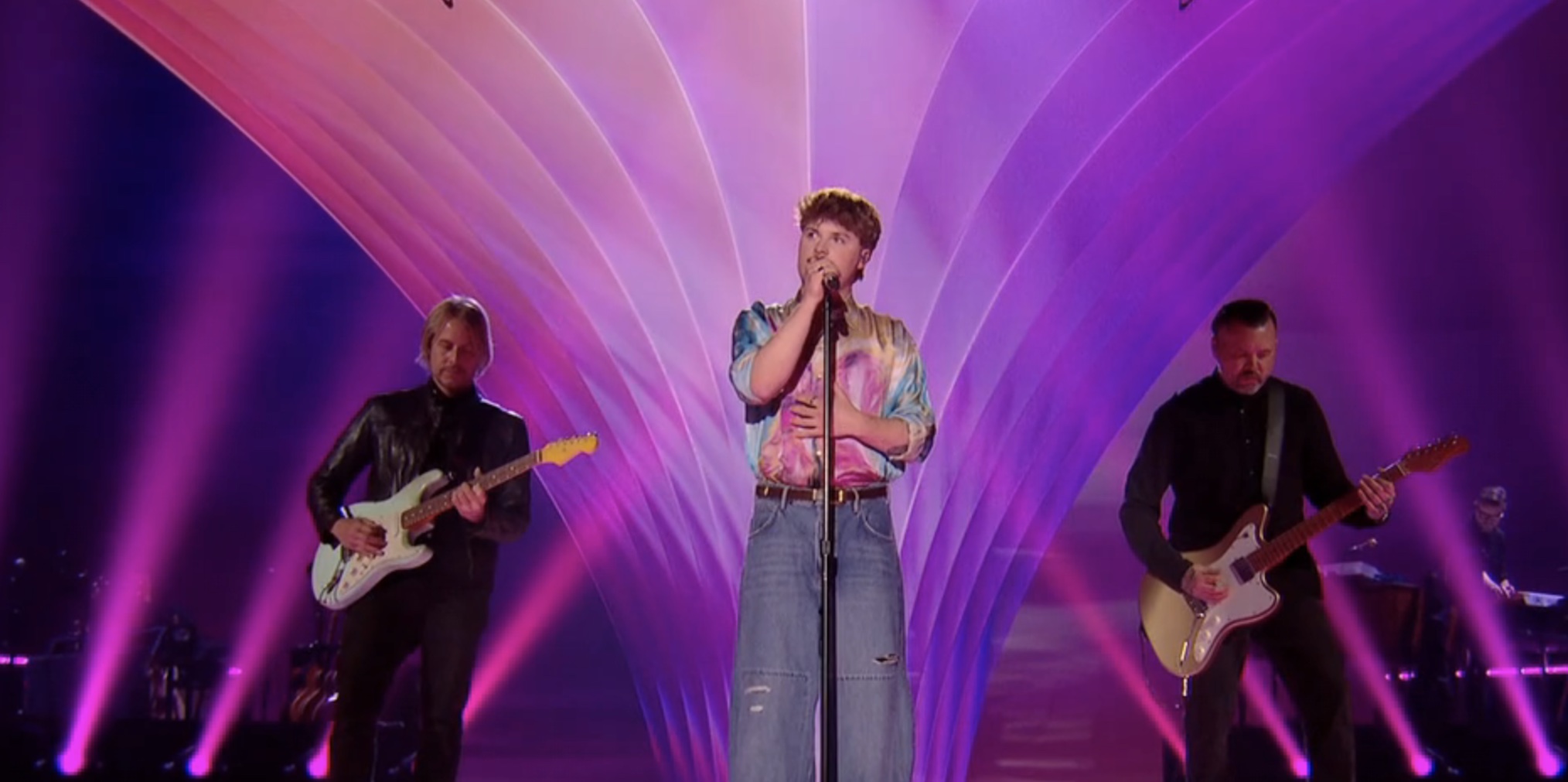
Brooks Rosser’s elimination from the Top 5 of American Idol has ignited a wave of discussion among fans, with many still trying to make sense of how one of the most distinctive voices of the season fell short of the finale.
From the very beginning, Brooks stood apart. His tone, style, and artistry gave him an identity that was instantly recognizable—something rare in a competition filled with powerhouse vocals. For many viewers, that uniqueness wasn’t just refreshing, it was the reason they tuned in week after week.
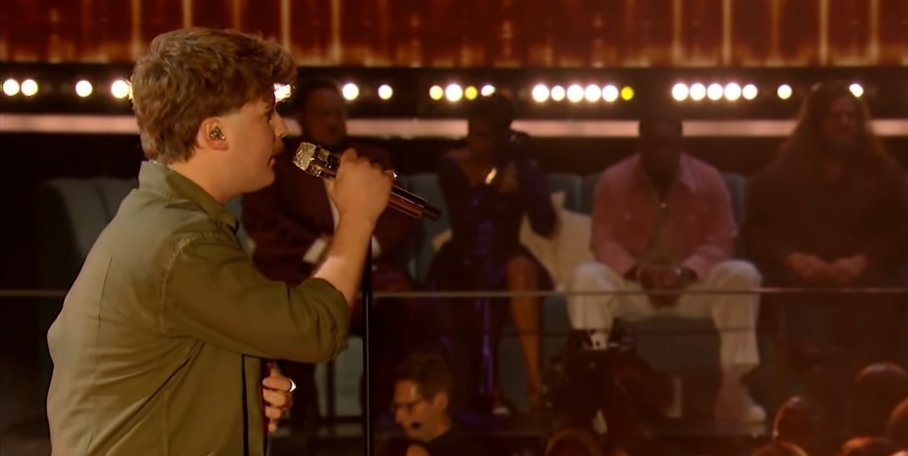
“I could listen to him all day,” one fan shared, echoing a sentiment widely seen across social media. Others went even further, predicting that Brooks may ultimately have one of the most successful careers beyond the show, particularly in the indie music space.
But as the conversation has evolved, so has the perspective.
Alongside the disappointment, there’s also a growing acknowledgment of the same challenge the judges consistently pointed out throughout the competition. While Brooks’ voice and storytelling ability were praised, his performances sometimes revealed limitations—particularly when he was pushed outside of his comfort zone.

“I love Brooks, but his limitations showed over time,” one viewer noted. “Such a special voice, but he seemed less comfortable when he had to adapt.”
That balance between artistry and adaptability has become central to the debate.
Some fans argue that the structure of the show itself may have worked against him. Themed weeks and assigned genres, they say, didn’t always align with Brooks’ natural style. “If he could just pick his own songs, he’d shine,” one commenter suggested, pointing to the constraints contestants face as a possible factor in his elimination.
Others, however, see the competition as a test of versatility—and believe those challenges are part of what defines a winner.

The judges’ feedback throughout the season reflected this same dual perspective. Luke Bryan encouraged Brooks to push his energy further, while Lionel Richie praised his storytelling but urged him to bring more attitude into his performances. Carrie Underwood highlighted the importance of confidence and connection, encouraging him to fully settle into his delivery.
Even in his final performances, including renditions of “Love Story” and “She Will Be Loved,” the pattern remained consistent: strong praise for his tone and individuality, paired with gentle reminders about stage presence and consistency.
In the end, Brooks Rosser leaves the competition as one of its most memorable contestants—not necessarily because he fit the mold, but because he didn’t.
And perhaps that’s the bigger story.

While his journey on American Idol has come to an end, the reaction from fans suggests this is far from the last we’ll hear of him. In a show built on finding stars, Brooks may have already found something just as valuable: a clear artistic identity and an audience ready to follow him beyond the stage.
As the competition moves forward with its Top 5, one question continues to linger among fans—did American Idol lose one of its most authentic voices too soon?