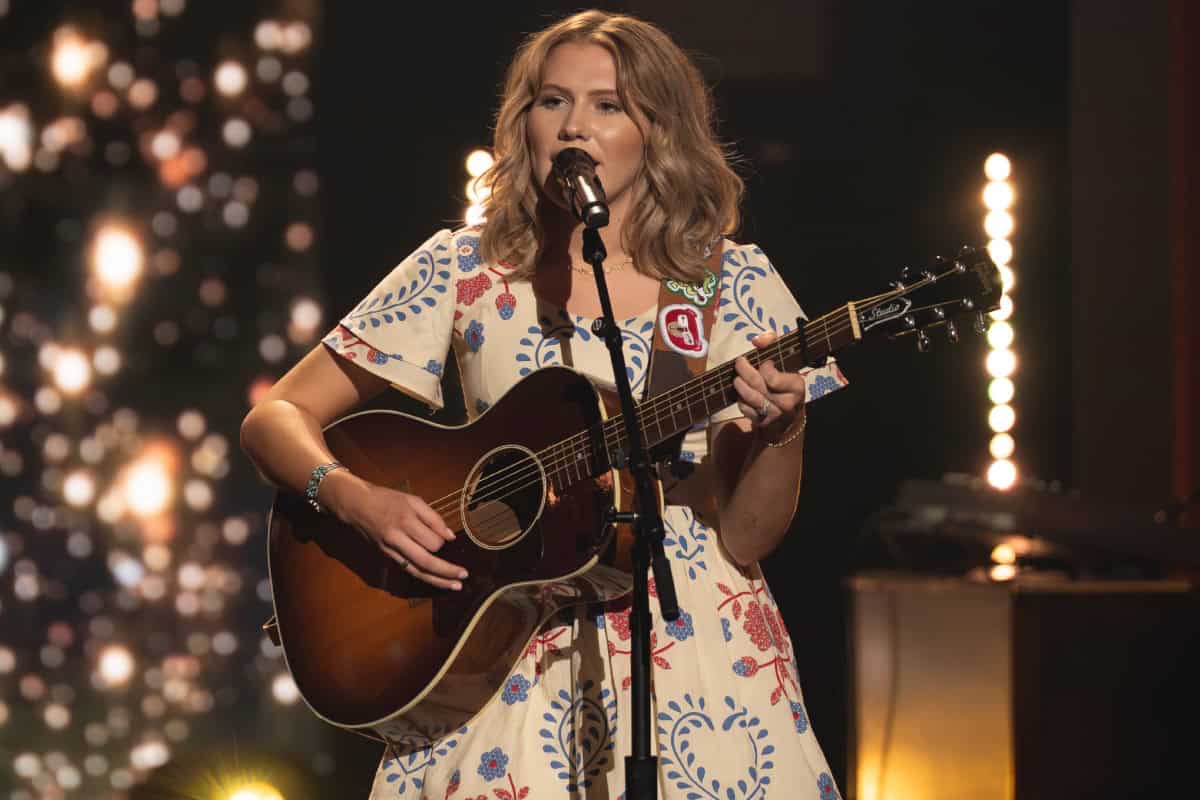
Under the glowing stage lights of American Idol, dreams are usually wrapped in big notes, bold arrangements, and breakout moments designed for applause. But when Hannah Harper stepped forward, the room felt different. Quieter. Heavier. As if everyone instinctively understood that what they were about to witness was more than a performance.
“I wrote this song on the floor of my kitchen, wondering if anyone would ever hear me.”
With that single sentence, the 25-year-old mother of three from Willow Springs, Missouri opened a window into one of the most vulnerable chapters of her life. Her original song, String Cheese, was born in the midst of postpartum depression — in moments of exhaustion, isolation, and quiet doubt. It wasn’t crafted in a studio. It wasn’t polished for perfection. It was written in survival.
There were no flashy vocal runs that night. No dramatic key changes designed to impress. Instead, Hannah chose restraint. She let the lyrics breathe. She allowed the cracks in her voice to remain. And in doing so, she transformed the stage into something deeply personal — almost sacred.
As the final chorus lingered in the air, the camera caught judge Carrie Underwood wiping away tears. The silence that followed the last note was profound. It wasn’t the stunned pause of uncertainty — it was the kind of stillness that comes when a room collectively feels something real.
What made the moment extraordinary wasn’t just the song’s melody, but its honesty. Hannah didn’t try to hide the darkness she had walked through. She didn’t dress it up or soften its edges. She simply told the truth — about motherhood, about mental health, about questioning your worth while still loving your children fiercely. And in that truth, she gave countless women watching at home something priceless: recognition.
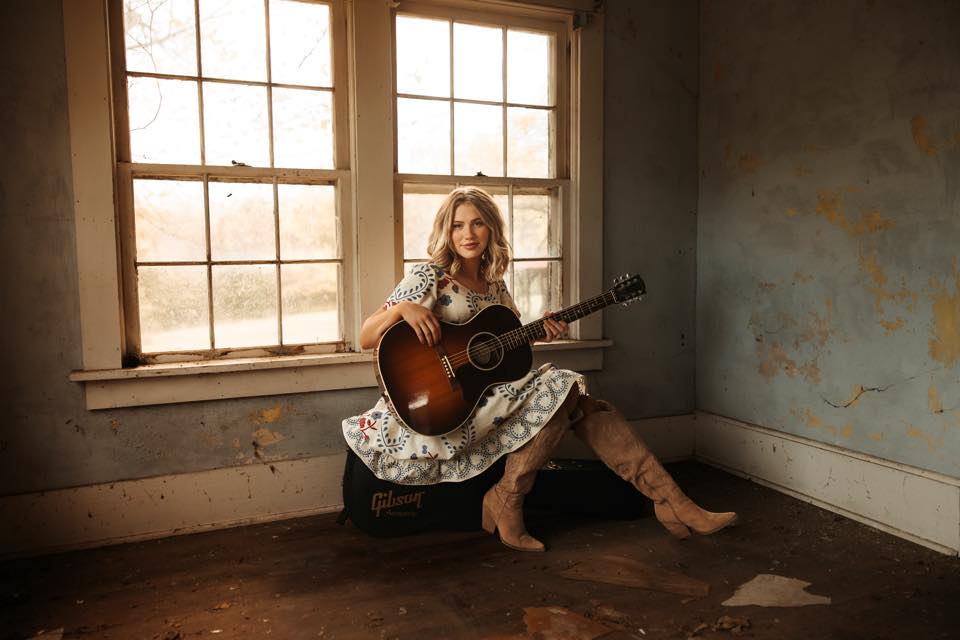
For many mothers who have faced similar struggles in silence, Hannah’s performance felt like a mirror. A reminder that they are not alone. That even in the most overwhelming seasons, there is still creativity, still strength, still light waiting to break through.
On a show built around competition, Hannah Harper created something different that night. She created connection. She turned pain into poetry and vulnerability into power. And long after the applause faded, what remained wasn’t just a memorable audition — it was a moment of healing shared by millions.
Sometimes the biggest stages don’t just launch careers. Sometimes, they carry stories that need to be heard.