For many athletes, the Olympic journey ends the moment the medals are handed out — a blend of relief, exhaustion, and quiet reflection before returning to life beyond the spotlight. But for Ilia Malinin, the final page of his 2026 Winter Olympics story was anything but ordinary.
After a turbulent individual event that saw him finish eighth — a result shaped by immense expectation and visible pressure — Malinin stepped onto the ice one last time for the figure skating Exhibition Gala. Unlike the intensity of competition, the gala offers something different: freedom. No scores. No rankings. Just artistry, personality, and the love of skating.
Malinin used that freedom to make a statement.
Turning Pressure Into Power
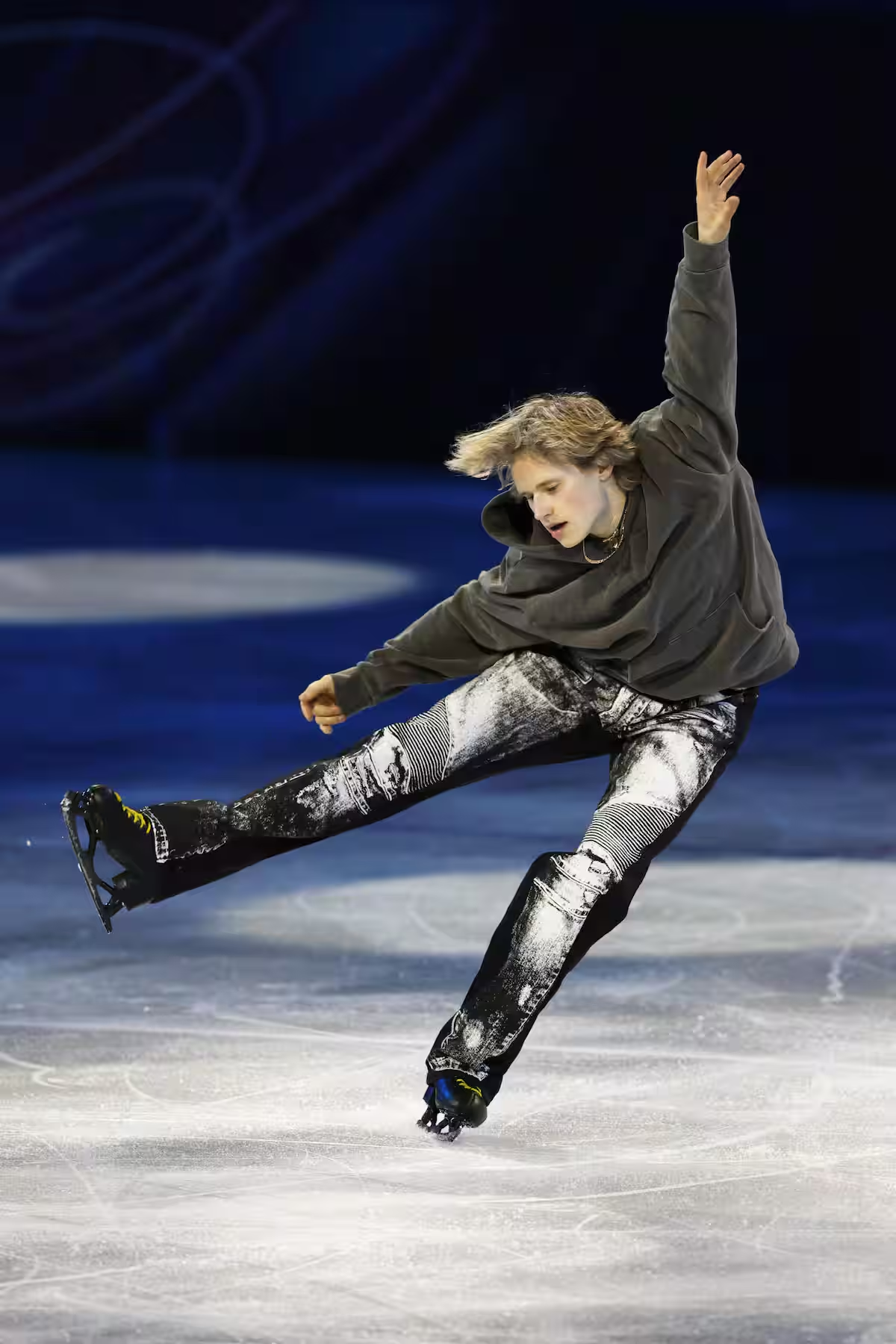
Skating to “Fear” by NF, a song steeped in themes of internal struggle and resilience, Malinin transformed the rink into something deeply personal. Each movement felt intentional, woven with the story of a season defined by both brilliance and disappointment.
This was not a cautious performance. It was bold. Emotional. Unapologetic.
And then came the backflips.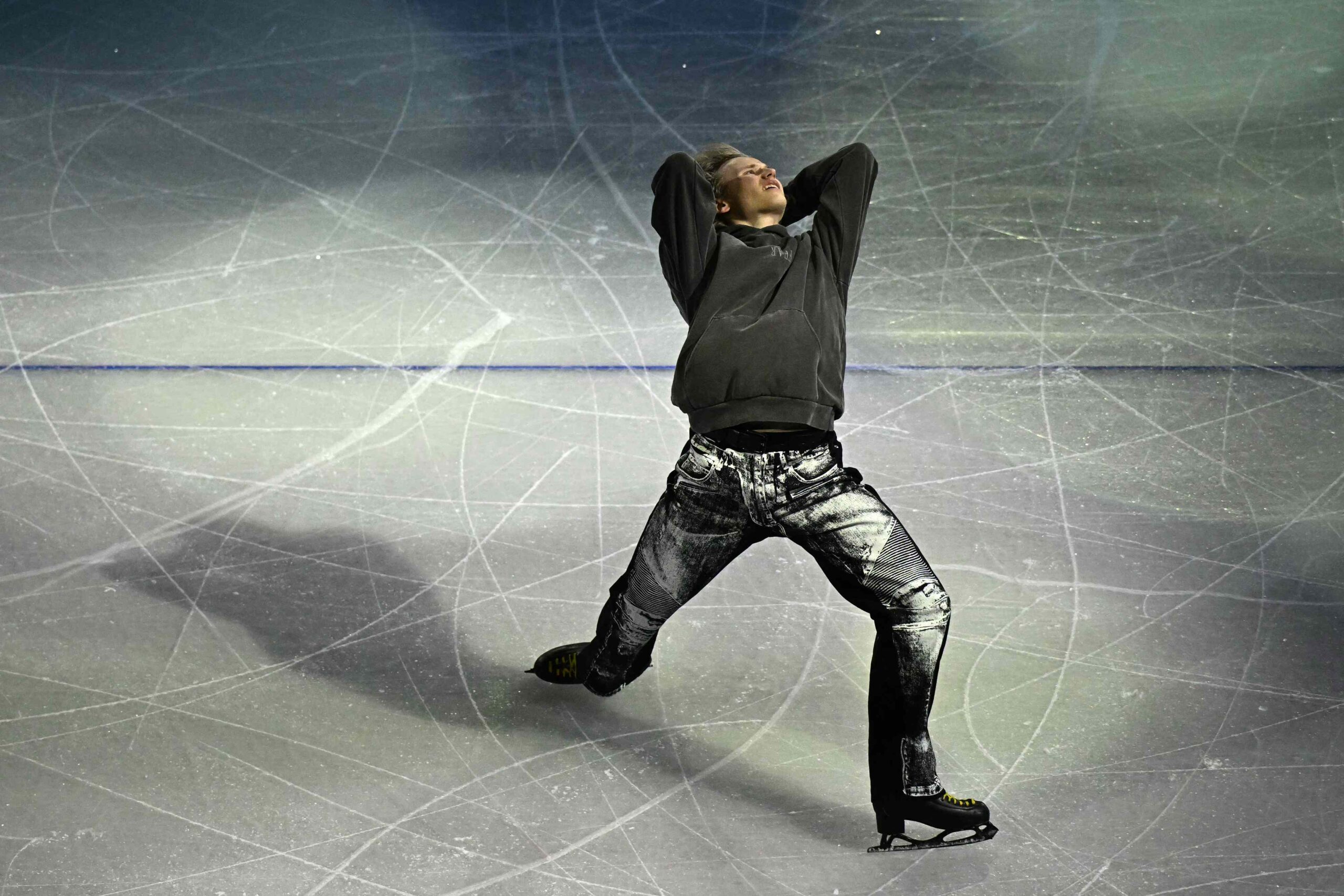
Long controversial in figure skating — once banned and now permitted in exhibition settings — backflips are rare, high-risk, and undeniably spectacular. Malinin executed multiple flips with precision and confidence, each one igniting the arena. They weren’t inserted merely for shock value; they felt symbolic. A reclaiming of identity. A reminder of the fearless athleticism that made him one of the sport’s most electrifying talents.
The crowd responded in kind, rising to their feet in sustained applause.
More Than a Score
What made this performance unforgettable wasn’t just the technical audacity. It was the emotional arc behind it.
Throughout the season — and especially at the Olympics — Malinin carried the weight of expectation. Many had predicted a medal, even gold. Instead, he faced the sting of falling short. In the structured pressure of competition, mistakes can define the narrative.
But the gala allowed him to rewrite it.
Freed from judges’ panels and point totals, Malinin rediscovered joy. His skating felt expansive rather than restrained, expressive rather than calculated. Where the competition revealed vulnerability, the exhibition revealed resilience.
By the time he took his final bow, the story had shifted.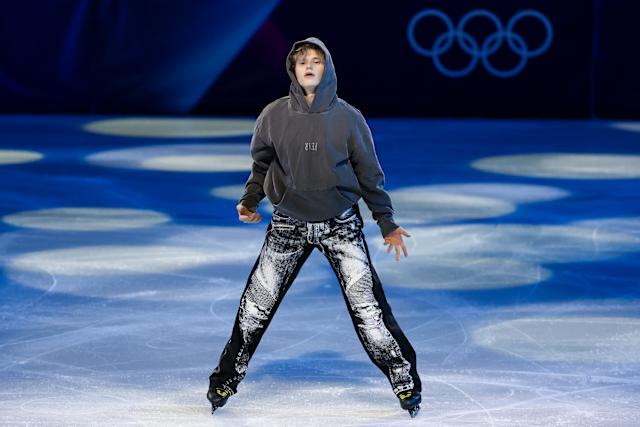
He arrived in Milan as one of the most technically ambitious skaters of his generation. He left having shown something deeper: that greatness is not measured only in medals, but in how an athlete responds to adversity.
In that closing performance, Ilia Malinin didn’t simply end his Olympic campaign.
He transformed it — turning disappointment into defiance, pressure into power, and his final skate into a spectacular reminder that this chapter is far from the last.