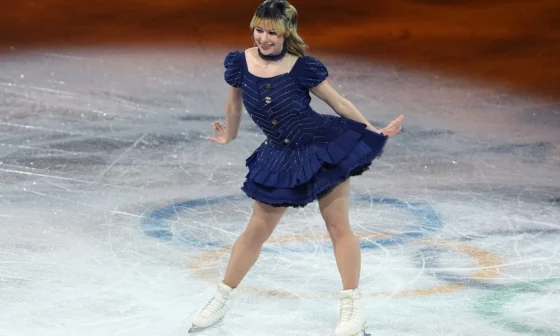
The figure skating world was left stunned at the Milano Cortina 2026 Winter Olympics when Ilia Malinin — widely known as the “Quad God” — finished in eighth place after entering the Games as one of the strongest favorites. For an athlete celebrated for redefining technical boundaries, the result felt almost surreal.
Within minutes of the final scores being posted, Olympic legends Scott Hamilton, Apolo Ohno, and Kurt Browning shared their reactions. Their words weren’t sensational — they were measured, reflective, and rooted in experience. Yet they carried weight, offering insight into the immense pressure that surrounds athletes competing on sport’s biggest stage.
The Weight of Expectation
Scott Hamilton, a longtime voice in figure skating and Olympic gold medalist, highlighted the unique intensity of the Olympic spotlight. According to Hamilton, the Games amplify everything — the crowd, the pressure, the expectations. A slight hesitation, a momentary lapse in timing, or even a fraction of imbalance can shift the entire outcome.
“When you arrive as the favorite,” Hamilton has often noted in past analyses, “you’re not just skating against competitors — you’re skating against expectation.” For Malinin, who has built a reputation on landing historic quadruple jumps, the burden of delivering something extraordinary may have been heavier than ever.
Risk and Reward in the Quad Era
Kurt Browning, himself a pioneer of the quadruple jump, addressed the technical risks that come with pushing boundaries. Malinin’s rise to fame has been fueled by his mastery of ultra-difficult elements — jumps that redefine what’s possible in the sport. But with high difficulty comes high consequence.
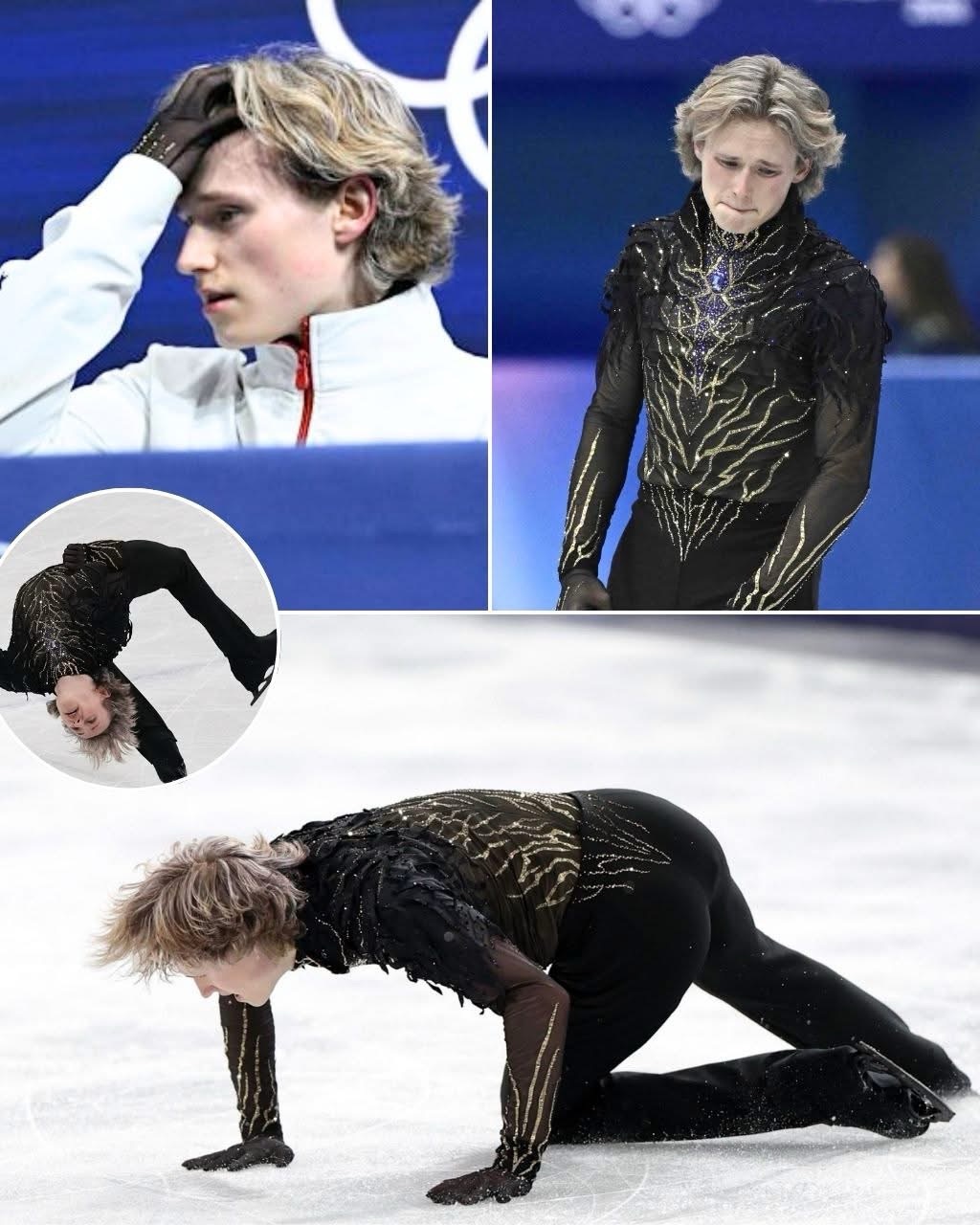
In Olympic competition, there’s little room for recovery. A missed landing or disrupted combination can unravel momentum. Browning’s perspective underscored a simple truth: innovation moves the sport forward, but it also demands near-perfection under unforgiving scrutiny.
The Mental Game
Apolo Ohno, though known for short track speed skating, understands Olympic pressure intimately. He pointed to the mental aspect — the invisible battle happening long before an athlete steps onto the ice.
Carrying the title of “Quad God” into the Olympics is both an honor and a challenge. Every program is dissected. Every practice session is watched. Every expectation grows louder. For a young athlete competing under global attention, maintaining composure is as critical as landing any jump.
A Moment, Not a Legacy
Social media quickly erupted in analysis, debate, and support. Clips of Malinin’s program circulated instantly, with fans replaying each element and offering their own theories. Yet amid the frenzy, many voices echoed a more balanced view: one competition does not define a career.
Malinin has already altered the technical landscape of figure skating. His achievements prior to the Olympics — particularly his groundbreaking quad performances — have secured his place in skating history regardless of one result.
The Olympics are often described as unpredictable. Favorites falter. Underdogs rise. The margins are razor-thin, and the stakes magnify every movement. For Malinin, this eighth-place finish may ultimately become part of a larger story — one that includes resilience, growth, and perhaps future triumph.
As the Games continue, the skating world remains focused not on speculation, but on what comes next. Because in sport, as in life, setbacks often set the stage for the strongest comebacks.