The 2026 Grammy Awards were meant to be music’s biggest night—but by the time the final trophies were handed out, it was clear the ceremony had become something more urgent. Beneath the glamour, applause, and performances, a powerful political current surged through the room, turning acceptance speeches into calls for humanity.
The most striking moment came from Bad Bunny, whose win for Best Música Urbana Album brought the crowd to its feet—and then to silence.
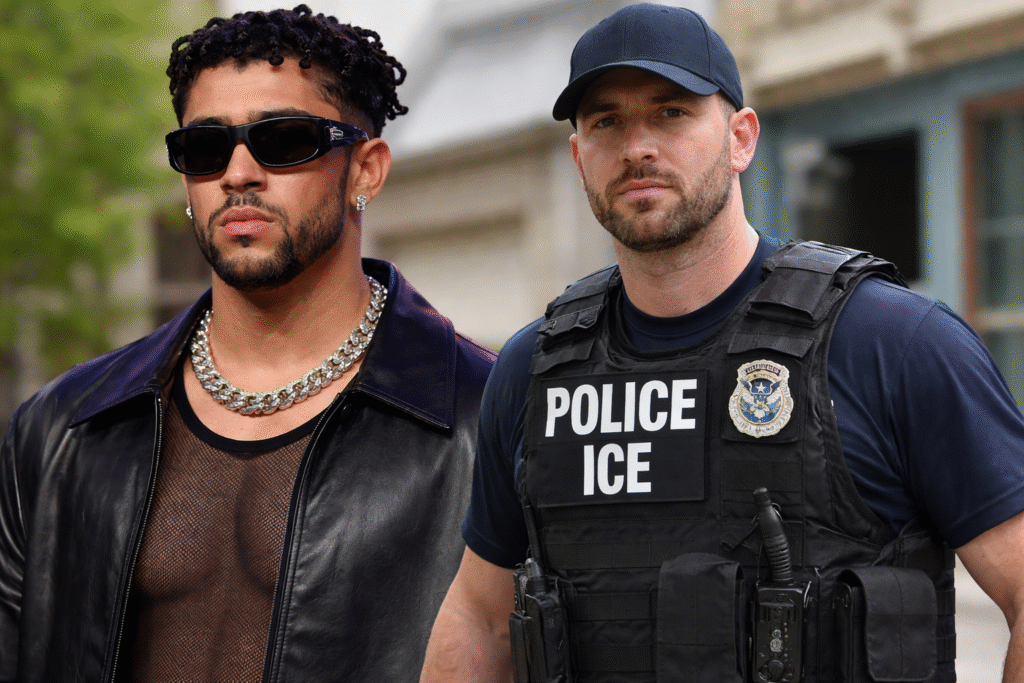
“Before I say thanks to God, I’m going to say ICE out,” he declared, referring to Immigration and Customs Enforcement. The words landed like a thunderclap.
“We’re not savages, we’re not animals, we’re not aliens—we’re humans,” he continued. “Hate gets more powerful with more hate. The only thing stronger than hate is love. If we fight, we have to do it with love.”
It was the most explicit political statement of the night, and it echoed weeks of unrest across the United States—particularly in Minneapolis, where federal immigration operations have sparked mass protests. The deaths of Renee Good and Alex Pretti, both killed by federal agents, have intensified scrutiny of enforcement tactics and prompted a civil rights investigation by the US Justice Department.
Immigration has become a defining issue of the Trump administration, which has defended the raids as targeting dangerous criminals—despite reports that many of those arrested had no criminal records. While officials have since suggested a partial de-escalation in Minnesota, public outrage continues to grow.
Inside the Grammys, that anger and grief transformed into solidarity.
On the red carpet, artists wore white pins emblazoned with the words “ICE OUT.” Onstage, one winner after another used their moment to speak for immigrants—and for each other.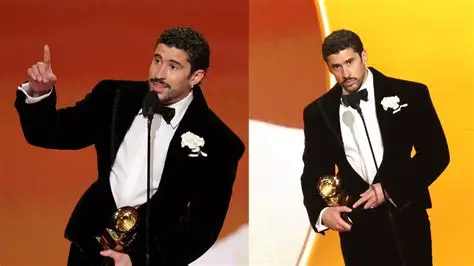
Olivia Dean, crowned Best New Artist, spoke of her roots as the granddaughter of a Windrush immigrant.
“I’m a product of bravery,” she said. “Those people deserve to be celebrated. We’re nothing without each other.”
Billie Eilish, accepting Song of the Year for Wildflower, admitted the uncertainty many are feeling.
“It’s hard to know what to say or do right now,” she said. “But we have to keep fighting, speaking up, and protesting. Our voices matter.”
SZA, sharing Record of the Year with Kendrick Lamar, urged hope over despair.
“This is a scary time,” she said, “but we need to trust each other—and trust ourselves.”
Backstage, Gloria Estefan expressed deep concern about the direction of the country, emphasizing that immigration enforcement is sweeping up families who have contributed to the US for decades. Accepting her award for Best Tropical Latin Album (Raíces), she reminded the audience that democratic values are “the reason everyone wants to be here.”
Country star Shaboozey, winning his first Grammy for Amen with Jelly Roll, dedicated his award to immigrants—and to his mother, who came to the US from Nigeria and worked multiple jobs to support her family.
“Immigrants built this country,” he said simply.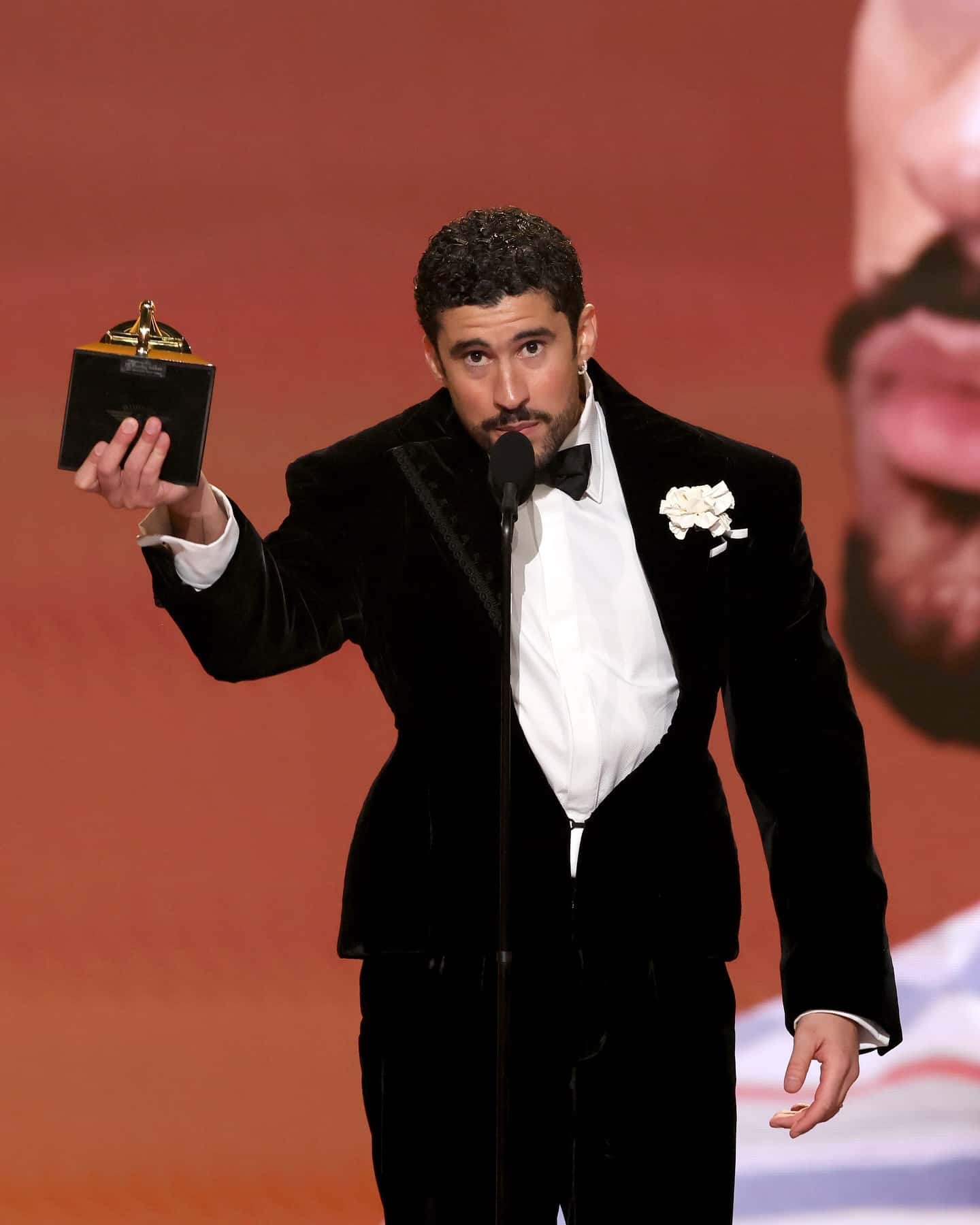
Even artists who didn’t name policies directly made their stance clear. Kehlani, a double R&B winner, summed up the mood of the night:
“An artist’s job is to reflect the times. When people listen—even once—we have a responsibility to use that wisely.”
By the end of the ceremony, the message was unmistakable. The 2026 Grammys were not just a celebration of music—they were a mirror of a nation in tension, a reminder that art does not exist in isolation, and a declaration that even on the grandest stages, silence is a choice many artists are no longer willing to make.