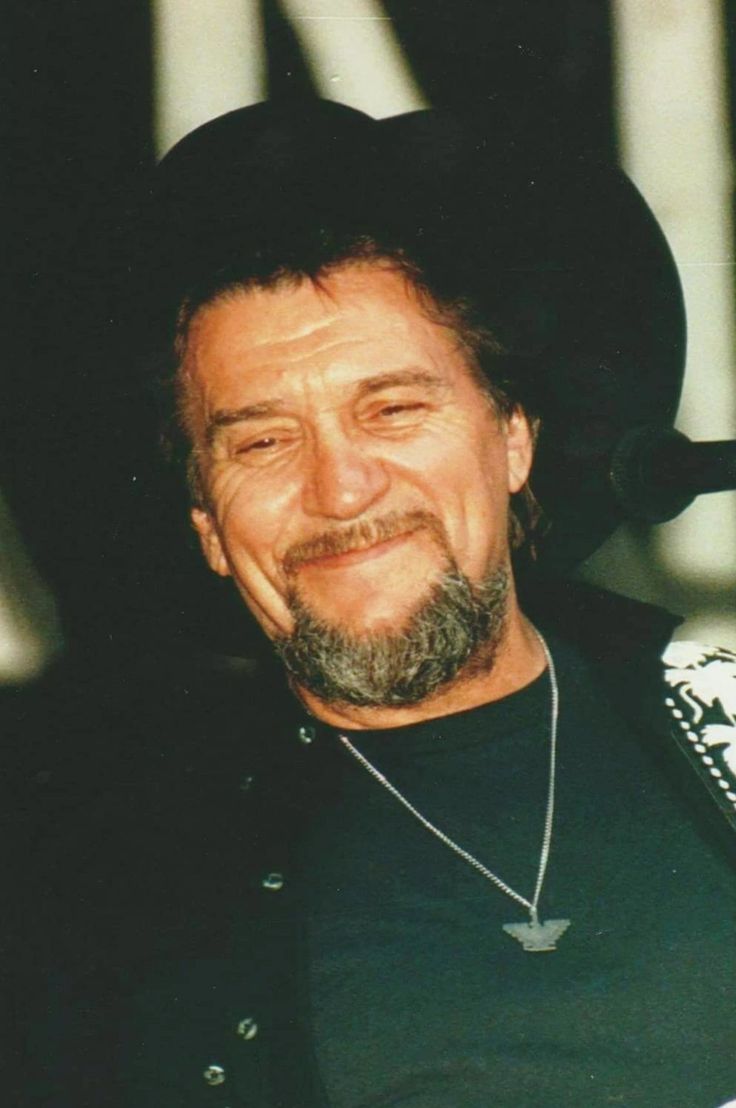
When Waylon Jennings passed away at 64, it felt like the closing of a rugged, rebellious chapter in American music. He had never been the polished face of Nashville. He was the pushback. The edge. The steady baritone that refused to bend.
And yet, when the man fell silent, the music didn’t.
It carried on in truck cabs rolling down midnight highways. In small-town kitchens before sunrise. In jukebox corners where stories are told without ever being spoken aloud.
A Voice That Refused to Behave
Waylon didn’t sing to impress. He sang to tell the truth.
His voice was rough in all the right ways — shaped by hard roads, hard lessons, and harder choices. He challenged the polished formulas of Nashville and demanded creative control at a time when artists rarely had it. In doing so, he helped define what became known as the outlaw movement: country music with grit, autonomy, and backbone.
For Waylon, rebellion wasn’t about noise. It was about honesty.
Fans believed him because he never pretended.
Songs That Became Lifelines
When news of his death spread, people didn’t search for eloquent tributes. They reached for the records.
They played “Good Hearted Woman” and remembered imperfect love that somehow endured.
They turned up “Luckenbach, Texas (Back to the Basics of Love)” and longed for simplicity in a complicated world.
They let “Mammas Don’t Let Your Babies Grow Up to Be Cowboys” remind them that freedom always carries a cost.
These weren’t just hit singles. They were soundtracks to real lives — weddings, heartbreaks, road trips, reconciliations. After February 13, those songs felt different. Less like nostalgia. More like farewell letters set to steel guitar.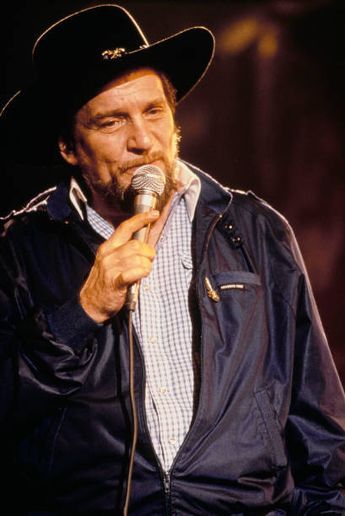
What “Outlaw” Really Meant
To Waylon, being an outlaw wasn’t about image. It was about independence.
He sang for truck drivers and factory workers. For restless souls and small-town dreamers. For anyone who ever felt like the world wanted them quieter, smaller, easier to manage.
He proved you could build something lasting without surrendering your identity. That sometimes the only way forward is off the beaten path.
A Legacy That Won’t Sit Still
More than two decades later, Waylon’s influence hasn’t dimmed. New listeners stumble upon his catalog and find something startlingly fresh: music that doesn’t chase trends or apologize for its rough edges.
His legacy lives not just in country radio, but in every artist who chooses authenticity over approval.
Because Waylon Jennings didn’t just sing about rebellion.
He embodied it.
The Rebel With a Human Heart
He wasn’t flawless. He never claimed to be. He lived boldly, sometimes recklessly, always passionately. He turned his missteps into melodies and his scars into stories.
On that February day in 2002, the world lost a voice.
But it didn’t lose the echo.
Every time his songs drift through an open window or rumble from an old speaker, the spirit remains — reminding us that life is meant to be lived honestly, loved fiercely, and sung without compromise.
And as long as the music plays, the sound of rebellion rolls on.