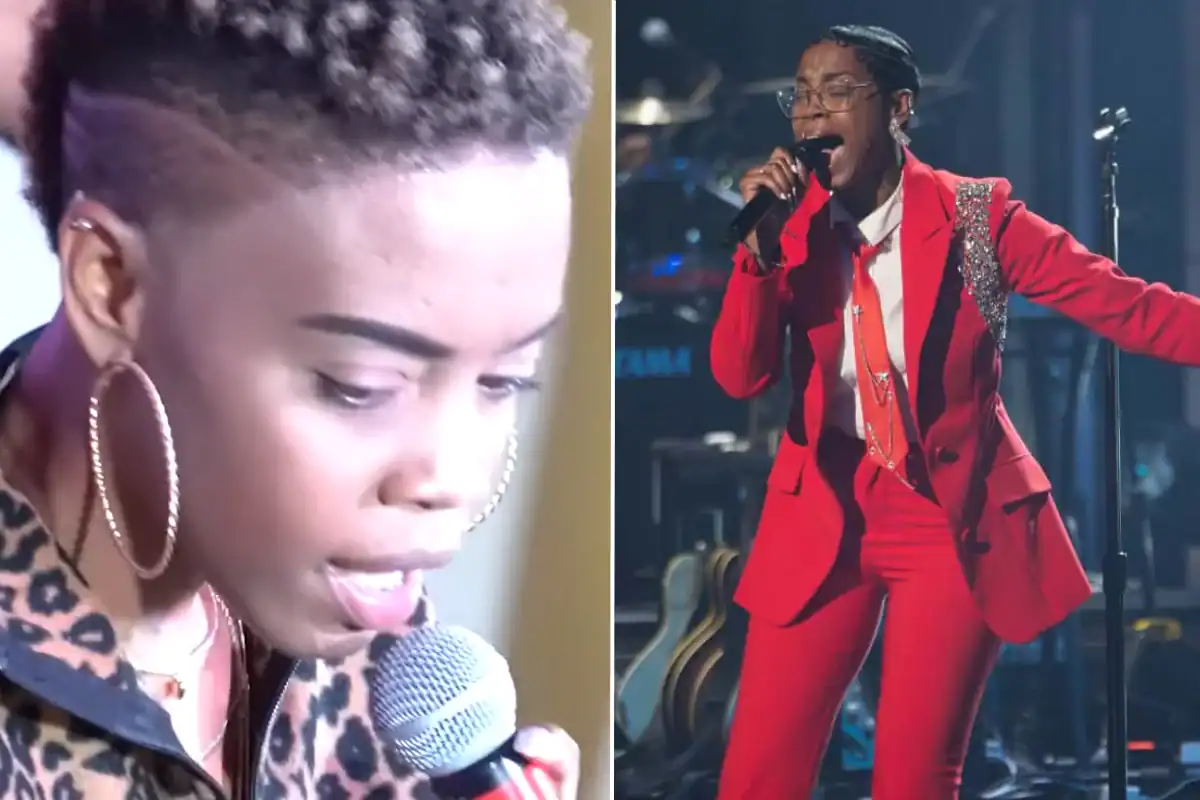
The competition on American Idol has always been about more than just vocal ability—but this season, the conversation is taking an even more complex turn.
At the center of it is Keyla Richardson, a contestant whose journey is quickly becoming one of the most debated storylines among fans. While her performances continue to showcase undeniable power and emotion, a growing number of viewers are questioning what’s really driving her rise in the competition.
Some fans have pointed out a noticeable contrast in how contestants are being perceived. Moments that earn praise for one performer are, at times, drawing criticism for another. In Keyla’s case, that difference in reception has sparked a wave of discussion across social media. For many, it’s not just about the performances anymore—it’s about how audiences respond to the narratives surrounding each contestant.
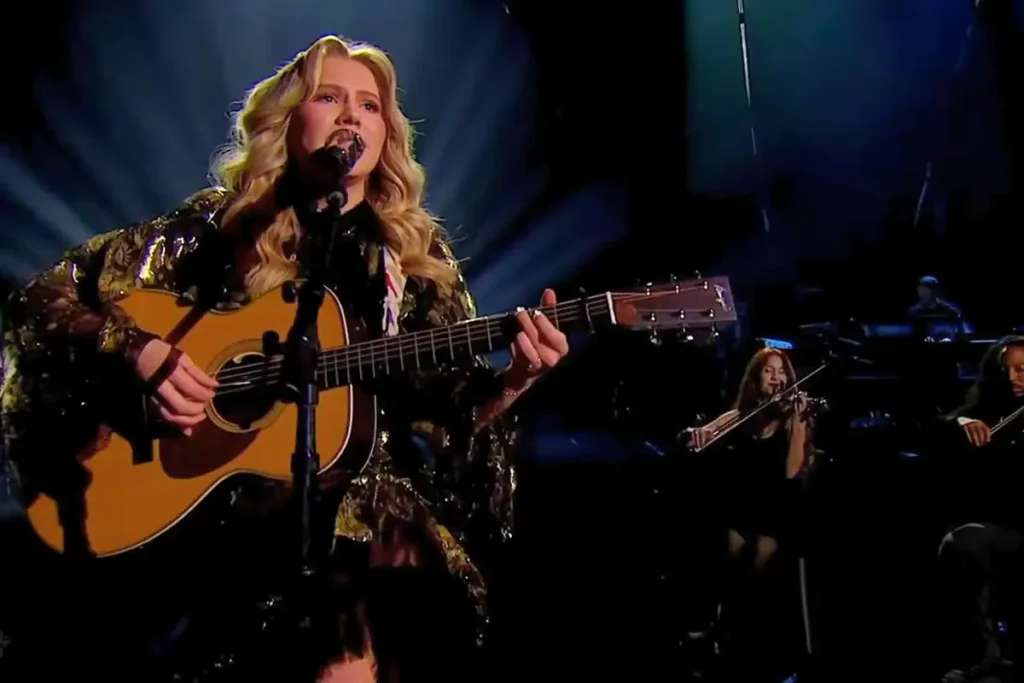
This is where the idea of the “underdog effect” comes into play.
Reality competition shows have long been influenced by storytelling as much as talent. Viewers connect with personal journeys, challenges, and resilience. When a contestant faces criticism or appears to be underestimated, it can trigger a strong emotional response—one that often translates into increased support and, ultimately, votes.
We’ve seen similar patterns before. Contestants who were once doubted or overlooked have managed to turn public perception around, gaining momentum at critical moments. It’s not necessarily about “sympathy,” but rather about connection—audiences rallying behind someone they feel deserves recognition or redemption.
In Keyla’s case, that shift may already be happening.
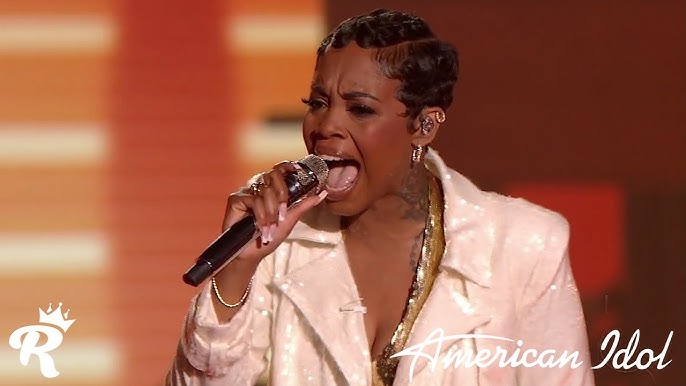
At the same time, others argue that her success is simply a reflection of her ability. Her vocal strength, stage presence, and emotional delivery continue to resonate with many viewers, making her a standout regardless of external narratives. For these fans, the conversation about “guilt voting” takes away from the work she’s putting in each week.
The reality likely sits somewhere in between.
Voting in shows like American Idol is rarely driven by a single factor. Talent, personality, growth, relatability, and public perception all play a role. As the competition progresses, these elements become even more intertwined, making outcomes harder to predict.
What’s clear, however, is that the stakes are rising—and so is the intensity of the conversation.
With viral clips circulating and fan debates growing louder, the competition is no longer just about who sings the best on a given night. It’s about who connects, who evolves, and who captures the audience’s attention in the most meaningful way.
As Keyla Richardson continues her journey, one question remains at the forefront: is her momentum being fueled by emotion, performance, or a powerful combination of both?
Either way, one thing is certain—the race is getting closer, and every vote is starting to matter more than ever.