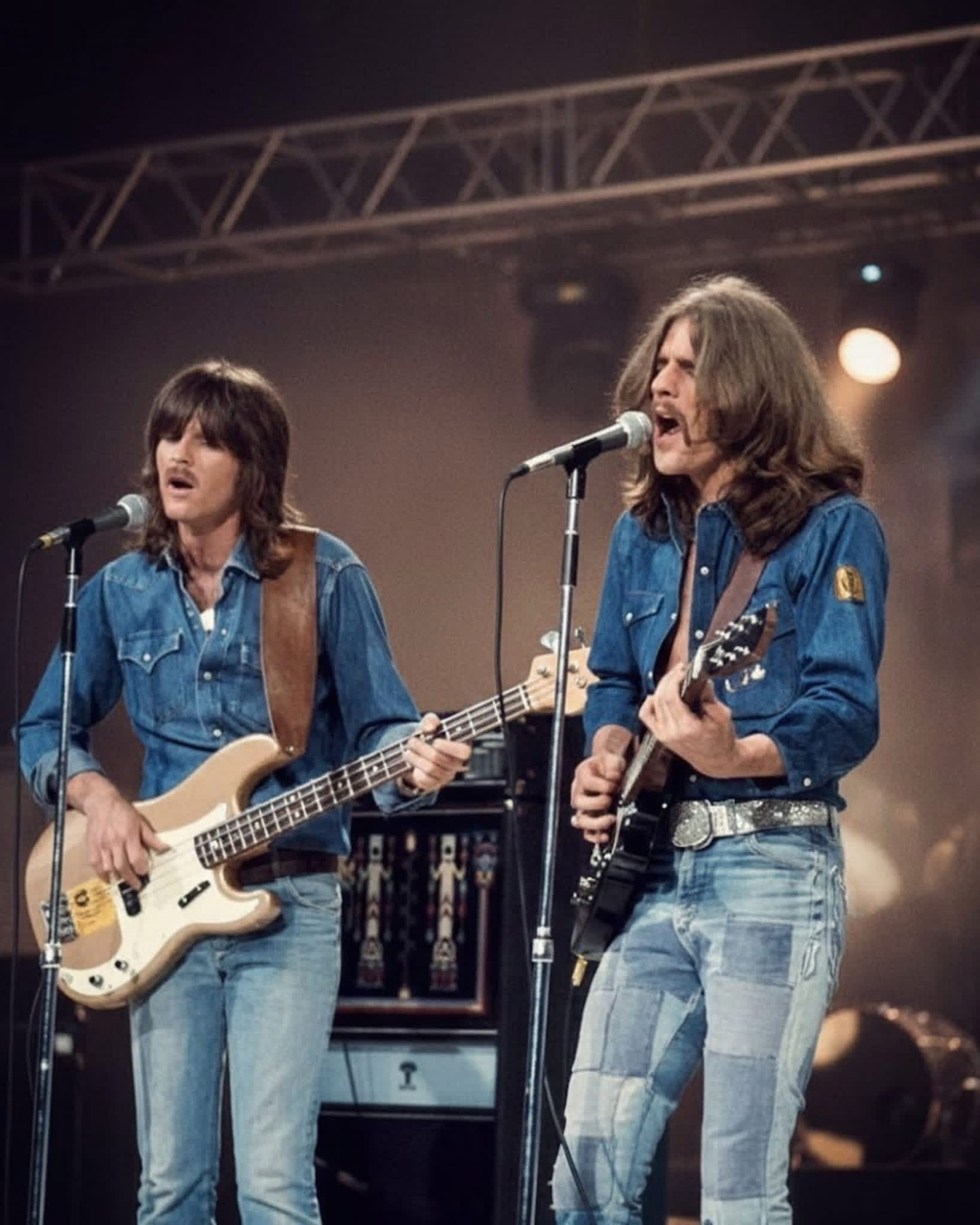
In 1973, while recording Desperado in London, the Eagles were still shaping their identity — balancing country roots with rock ambition, harmony with edge. Amid those sessions at Island Studios, bassist Randy Meisner brought forward a song that stood apart in both tone and perspective.
It told the story of an ordinary man slipping, almost quietly, into an outlaw’s life — not as a mythic gunslinger, but as someone shaped by circumstance and restlessness. Co-written with Glenn Frey and Don Henley, the track carried the narrative weight that defined Desperado, yet it felt more grounded, more human. And most importantly, it gave Meisner something rare: the lead vocal.
Known for his high harmonies and understated presence within the band, Meisner rarely stood at the forefront in those early years. But here, his voice carried the song with a raw, unpolished sincerity. There was no theatrical flourish — just direct emotion and quiet conviction. It was early Eagles grit at its purest.
Producer Glyn Johns captured the track with clarity and restraint. The harmonies were tight, the instrumentation sharp with a country edge, and the overall feel lean and unadorned. It reflected a band still hungry, still proving itself, before superstardom softened the edges.
Yet despite its strength, the song was not pushed as a major single by Asylum Records. Instead, it found its home on the flip side of a 45 — a B-side that many casual listeners might have overlooked. In the United States, fans often discovered it only by turning the record over, as if uncovering a secret.
It never climbed the charts. It never became a staple of classic rock radio. But over time, collectors and devoted fans kept it alive. For them, it became more than just a B-side — it was a snapshot of the Eagles before the arenas, before the polish, when the sound was raw and the storytelling felt close to the bone.
And at the center of that moment stood Randy Meisner — no longer just part of the harmony, but leading it. In a catalog filled with hits and anthems, this quieter track remains a reminder that sometimes the most honest songs are the ones hidden in plain sight.