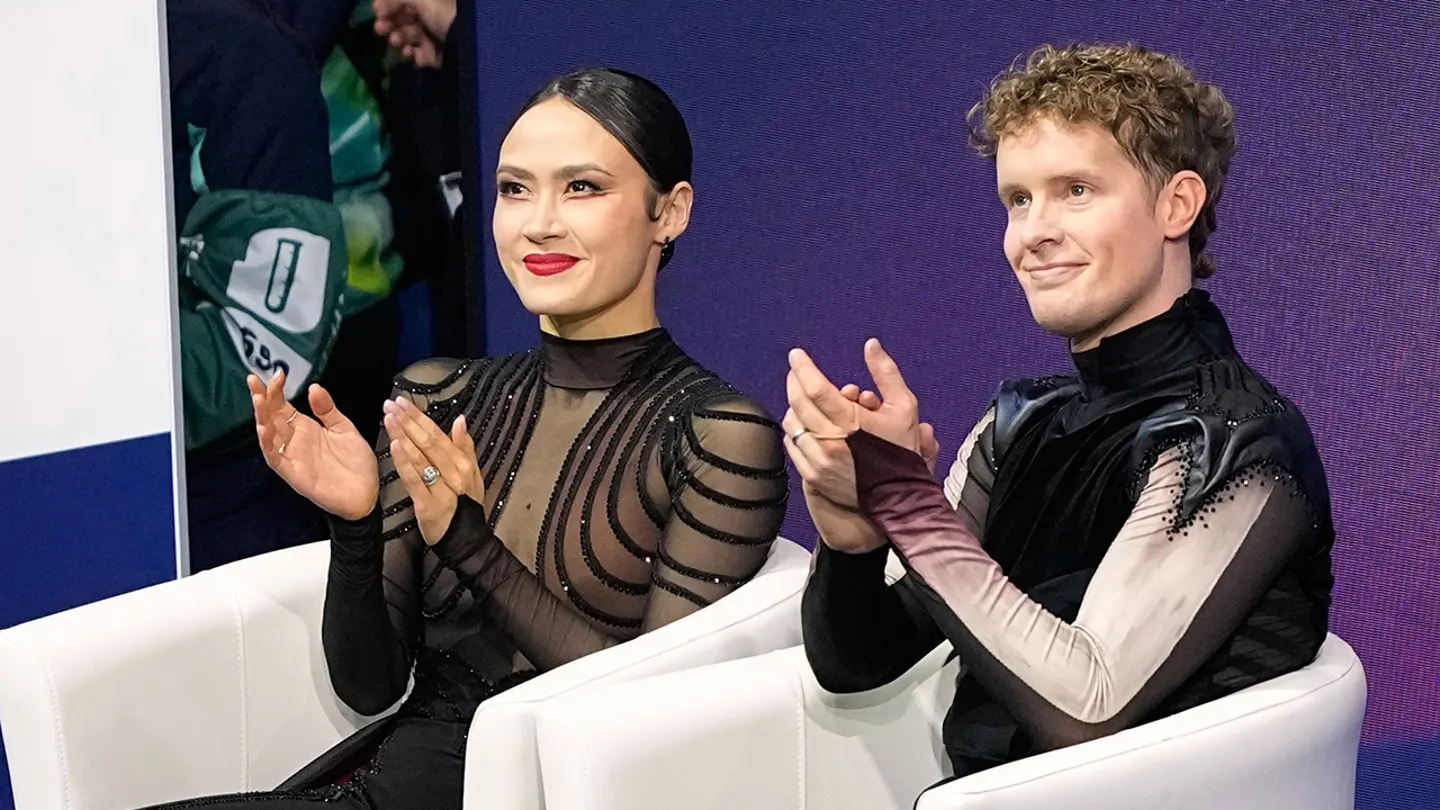
In the grand amphitheater of the 2026 Winter Olympics in Milan, Madison Chock and Evan Bates took to the ice not merely as competitors, but as storytellers. Their free dance — a daring, vibrant matador routine set to the dark pulse of the Rolling Stones’ Paint It, Black — seemed destined to claim the ultimate prize: gold. Yet fate, as it often does in the arena of gods and mortals alike, had other plans.
A single judge’s hand tipped the scales. Guillaume Cizeron and Laurence Fournier Beaudry edged past with marks that lifted them above the Americans, leaving Chock and Bates with silver. Mere decimals became the arbiter of glory, and the online world erupted in debate: Was it justice, or a cruel twist of chance?
Speaking with measured calm yet edged with resolve, Chock called for greater transparency in judging. “It would definitely be helpful if it’s more understandable for the viewers, to just see more transparent judging and understand … what’s really going on,” she said. She went on to stress the importance of accountability for judges, reminding the world that athletes pour everything into each performance and deserve a level playing field.
Yet even as she addressed the mechanics of fairness, her voice carried the echo of raw emotion. “We’ve gone through a roller coaster of emotions, especially in the last 24 hours,” she told NBC News. “What we will take away is pride — pride in our performances, pride in how we handled ourselves. Four great performances at the Olympic Games is no small feat.”
Bates, equally composed, described their Olympic moment as the culmination of their effort and spirit: “We delivered our absolute best. It felt like a winning skate to us, and that’s what we’ll hold on to.” He also thanked fans whose voices rose in support of the American duo, calling it a reflection of the Olympic spirit itself.
The final scores bore out the agonizingly narrow margin. Entering the free dance, Chock and Bates trailed the French duo by only 0.46 points. Their score of 134.67 brought them to a total of 224.39 — powerful, flawless, yet just shy of the gold that went to Beaudry and Cizeron’s 225.82.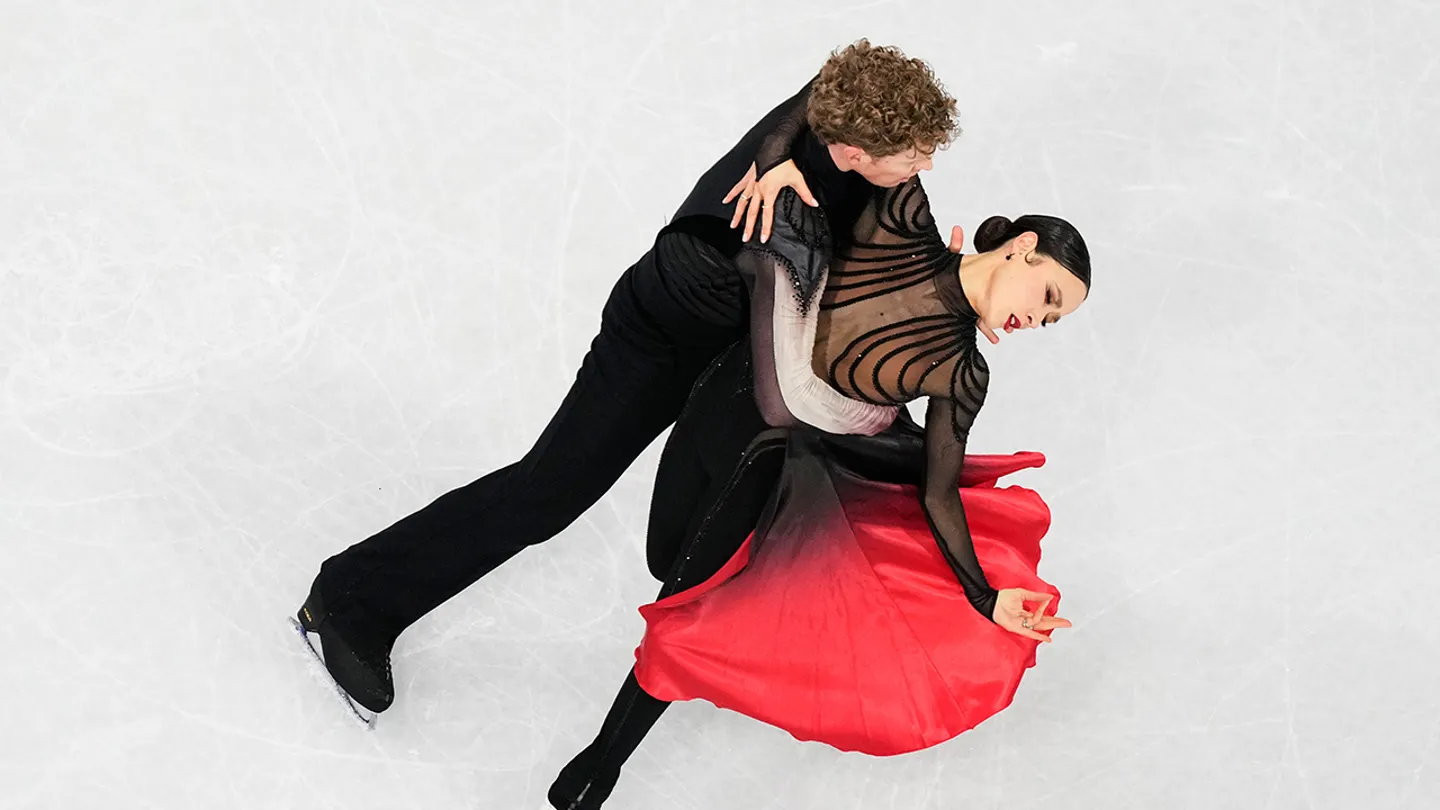
For Chock and Bates, this moment was layered with echoes of history. At the 2022 Beijing Olympics, they had waited years for rightful recognition after Team USA was retroactively awarded gold due to Kamila Valieva’s anti-doping violation. They had finally received their medals in 2024, a long-delayed vindication that lingered in memory even as new Olympic glory slipped tantalizingly from their grasp.
Reflecting on those past trials, Chock spoke with quiet humanity: “Life is short. We’re all human, going through our own experiences together. Whatever has happened, it’s important to remember that — to wish others well, and to live fully with the people we love.” Bates echoed the sentiment, noting the stress of elite competition and the grace we must afford one another, no matter age or circumstance.
On the ice, the couple’s joy and heartbreak were inseparable. Tears glimmered in their eyes as they accepted silver, yet their performances remained a testament to artistry, resilience, and grace under pressure. Though gold eluded them by the narrowest of margins, Chock and Bates’ story is one of courage, humanity, and the indomitable spirit that defines true champions.
In the end, the medals hang around their necks not just as tokens of placement, but as symbols of perseverance — proof that even when the world measures victory by numbers, the heart of an athlete measures it in courage, artistry, and unwavering resolve.