The final note faded. Blades carved one last whisper into the ice. For a moment, the arena held its breath — suspended in that rare Olympic stillness where art and sport feel inseparable.
Then the scores appeared.
On a surface built to reflect elegance and unity, the numbers landed with a thud that echoed far beyond the rink.
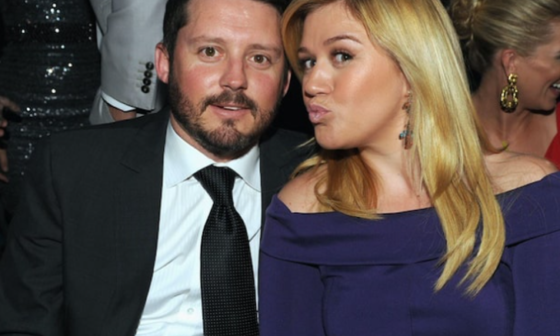
The American pair — partners in marriage as well as in movement — delivered the kind of performance that only years of shared life can produce. Their skating was restrained yet powerful, each edge controlled, each transition seamless. They didn’t reach for theatrics; they let their chemistry speak. Their lifts were fluid, their timing instinctive, their expressions measured rather than exaggerated. It felt intimate. Polished. Mature.
For many watching, it felt like gold.
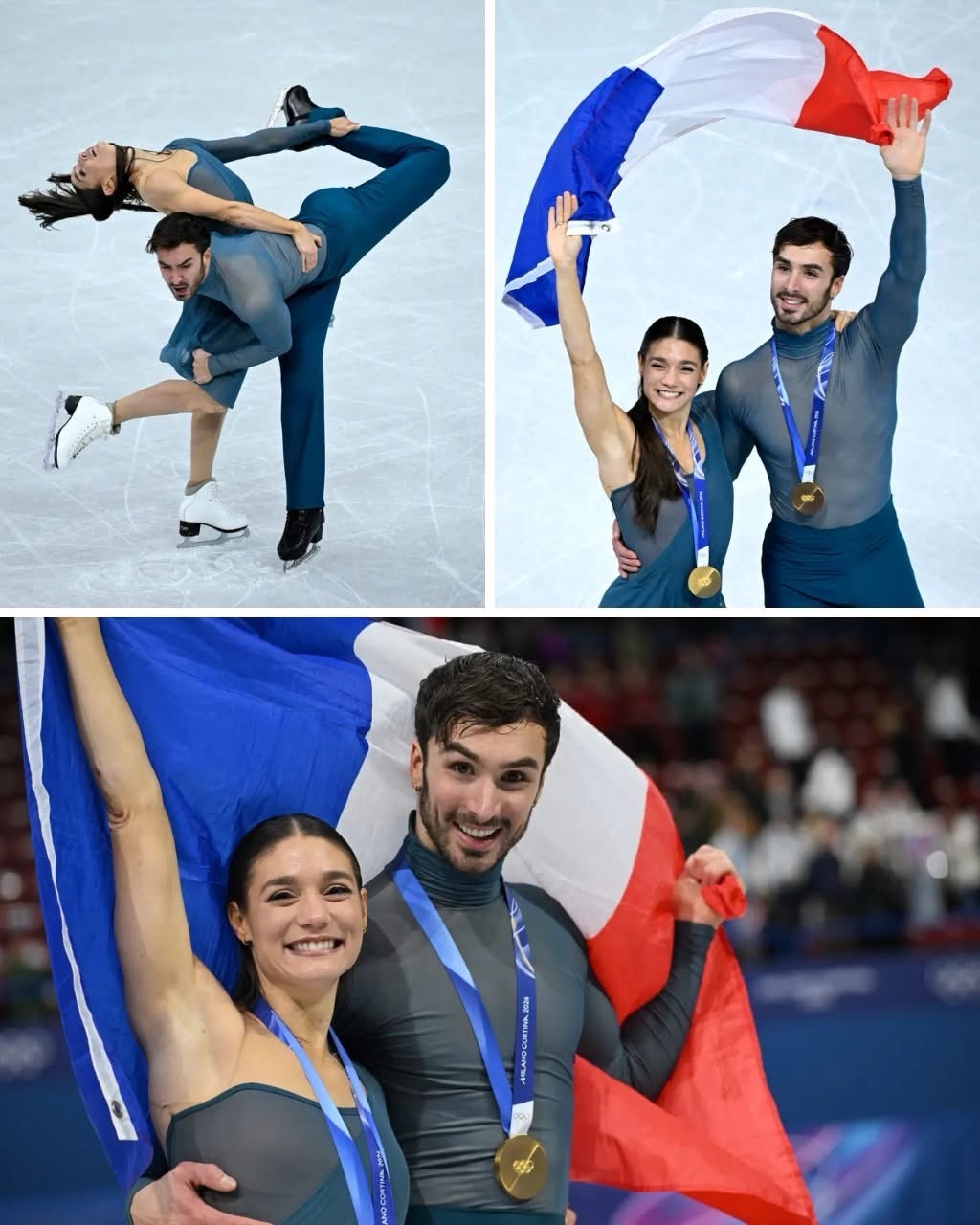
But ice dance has always lived in the margins between measurable technique and subjective interpretation. And when the French duo took the ice, they brought something entirely different — bold choreography, dramatic accents, sharp emotional contrasts. Where the Americans leaned into cohesion, the French leaned into spectacle. They attacked the music. They pushed the tempo. They dared the judges to look away.
The judges didn’t.
When the final rankings placed the French pair ahead, applause mixed with audible confusion. Analysts immediately went to work. Replays rolled. Step sequences were dissected frame by frame. Component scores — skating skills, performance, interpretation — were scrutinized on live broadcasts and across social media.
There was no obvious mistake. No fall. No illegal element. No rule book violation.
And that was precisely the problem.
Ice dance scoring rewards both technical precision and artistic impression. But what happens when the definition of “artistic” shifts? When boldness outshines subtlety? When emotional projection outweighs quiet connection?
Some argued the French performance represented evolution — a modern, risk-taking approach that reflects where the sport is headed. Others believed the Americans embodied the very essence of ice dance: unity, balance, and musical sophistication refined over time.
Officials stood firm. The numbers, they said, were clean.
Fans weren’t so sure.
Because this wasn’t just about two teams. It reopened a familiar Olympic question: Can judging in aesthetic sports ever be fully neutral? History shows patterns — debates about reputation, federation influence, momentum from previous seasons. None of it easily proven. All of it impossible to ignore.
In the end, the ice held no answers.
What remains is the tension between innovation and tradition, spectacle and subtlety, daring and discipline. Ice dance thrives in nuance — in the split-second timing of a twizzle, the edge of a blade, the lift that feels weightless. It also thrives in interpretation, and interpretation will always be human.
There was no villain that night. No scandal etched in black and white. Just a result that cracked open old conversations on the world’s most polished stage.
The medals were awarded. The anthem played.
But long after the rink was cleared, the debate kept skating.