What started as a divided online reaction has quickly turned into one of the most talked-about moments of the season on American Idol. At the center of it all is Hannah Harper—and a powerful show of support from none other than Carrie Underwood.
A Performance That Sparked Debate
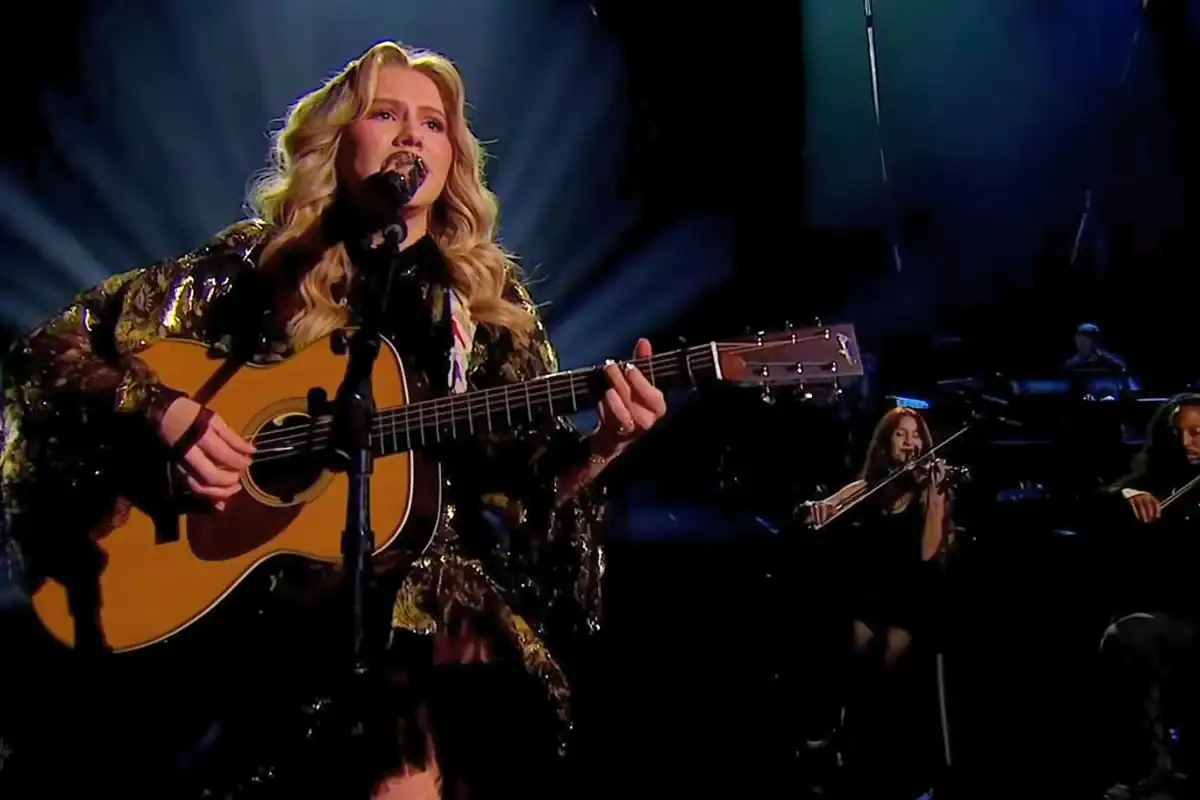
Hannah’s Rock Night performance took a different route than many expected. While others leaned into high-energy, vocal-heavy arrangements, she chose a more stripped-down, emotionally driven approach. It was subtle, controlled, and deeply focused on storytelling rather than spectacle.
But not everyone saw it that way.
Almost immediately, the internet lit up with mixed reactions. Some viewers praised her restraint and artistry, calling it refreshing and authentic. Others questioned whether it delivered enough intensity for a rock-themed night, arguing that it lacked the power they were expecting.
The conversation quickly grew, turning into a broader debate about what “rock” really means.
Carrie Underwood Enters the Conversation
As opinions continued to clash, Carrie Underwood stepped in—and her perspective shifted everything.
Rather than focusing on volume or vocal force, Carrie highlighted something often overlooked in discussions about rock music: emotion. She made it clear that rock isn’t defined solely by loud performances or explosive energy. Instead, it also lives in the quieter, more introspective moments that connect deeply with listeners.
To illustrate her point, she referenced artists like Stevie Nicks—a figure whose work represents a more soulful, atmospheric side of rock. The message was simple but powerful: softness doesn’t mean weakness, and restraint doesn’t mean a lack of impact.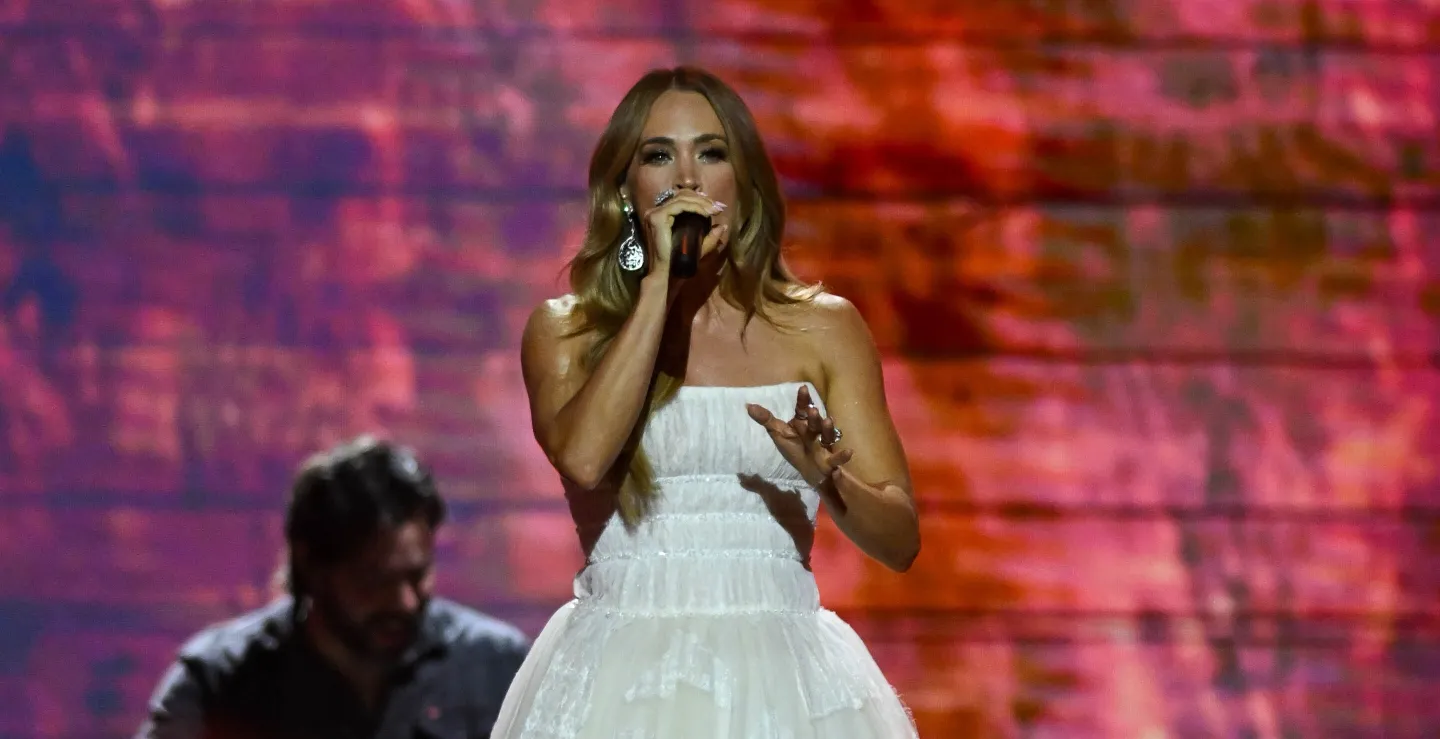
Redefining What “Rock” Means
Carrie’s defense didn’t just support Hannah—it expanded the conversation.
Rock music has always been a broad and evolving genre. While some associate it with high energy and bold performances, others recognize its emotional depth and storytelling roots. From arena anthems to haunting ballads, the genre thrives on diversity.
Hannah’s performance tapped into that second lane—the kind that prioritizes feeling over force.
And with Carrie’s endorsement, many fans began to reconsider their initial reactions.
A Shift in Audience Perspective
Following Carrie’s comments, the tone of the conversation began to change. What some had initially labeled as “underwhelming” started to be seen as intentional and artistically driven.
Fans revisited the performance with a new perspective, focusing less on what it lacked and more on what it offered: vulnerability, control, and a strong emotional core.
In a competition where standing out is everything, this kind of shift can be incredibly significant.
The Power of Industry Validation
Support from an artist like Carrie Underwood carries weight—not just because of her success, but because of her understanding of the stage, the pressure, and the expectations that come with it.
Her willingness to speak up sends a clear message: artistry isn’t one-size-fits-all.
For Hannah, that validation reinforces her identity as an artist who isn’t afraid to take a different path—even when it risks criticism.
More Than Just One Performance
What makes this moment particularly compelling is that it goes beyond a single performance. It highlights a larger theme within the competition: the balance between audience expectations and artistic authenticity.
Contestants are constantly navigating that space—deciding whether to play it safe or take risks that reflect who they truly are as performers.
Hannah chose the latter.
Final Thoughts
In the end, this isn’t just about whether Hannah Harper’s Rock Night performance was “right” or “wrong.” It’s about how it challenged expectations—and how that challenge sparked a meaningful conversation.
With Carrie Underwood stepping in to defend her, the narrative has shifted from criticism to reconsideration.
And perhaps that’s the most powerful outcome of all.
Because sometimes, the performances that divide opinion are the ones that leave the deepest impact.